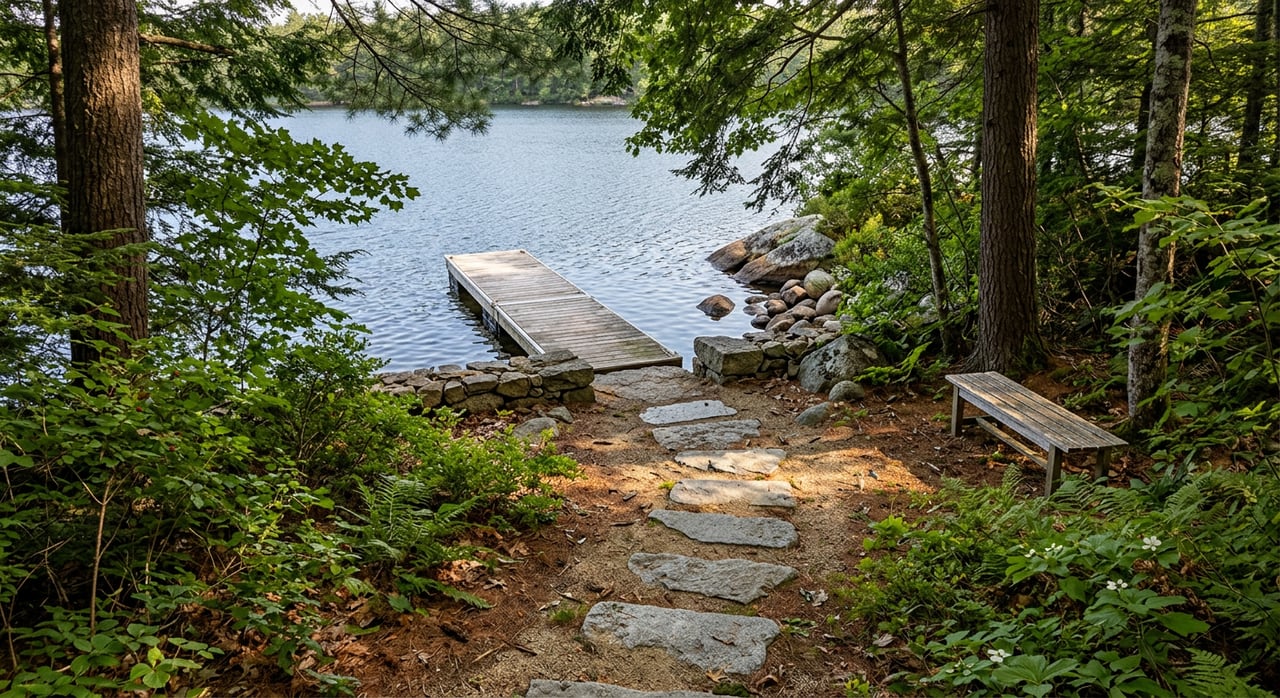
Dreaming of summers on Lake Winnipesaukee but not sure whether you should buy true waterfront or a home with water access? You’re not alone. In 03246 and across Belknap County, buyers weigh lifestyle, budget, and rules that come with living by the lake. In this guide, you’ll get a clear look at what each option means, how pricing compares, and the key legal and practical checks to make before you write an offer. Let’s dive in.
What “waterfront” really means on Winnipesaukee
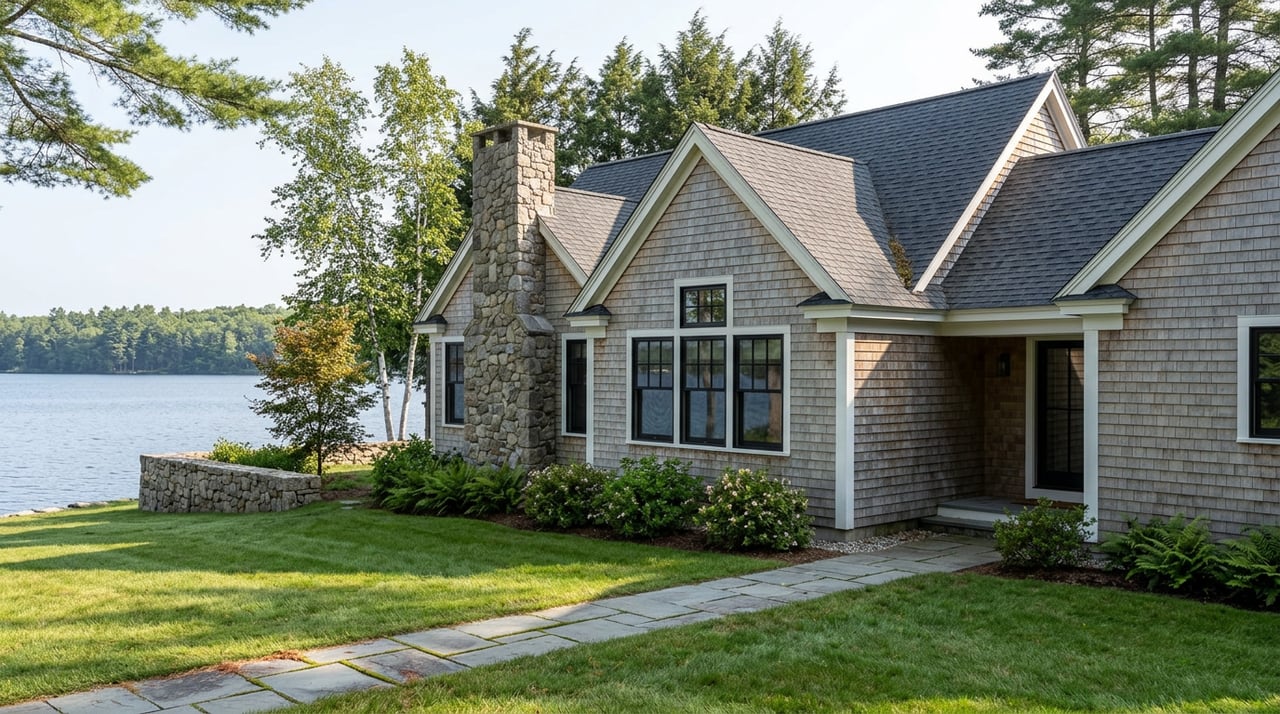
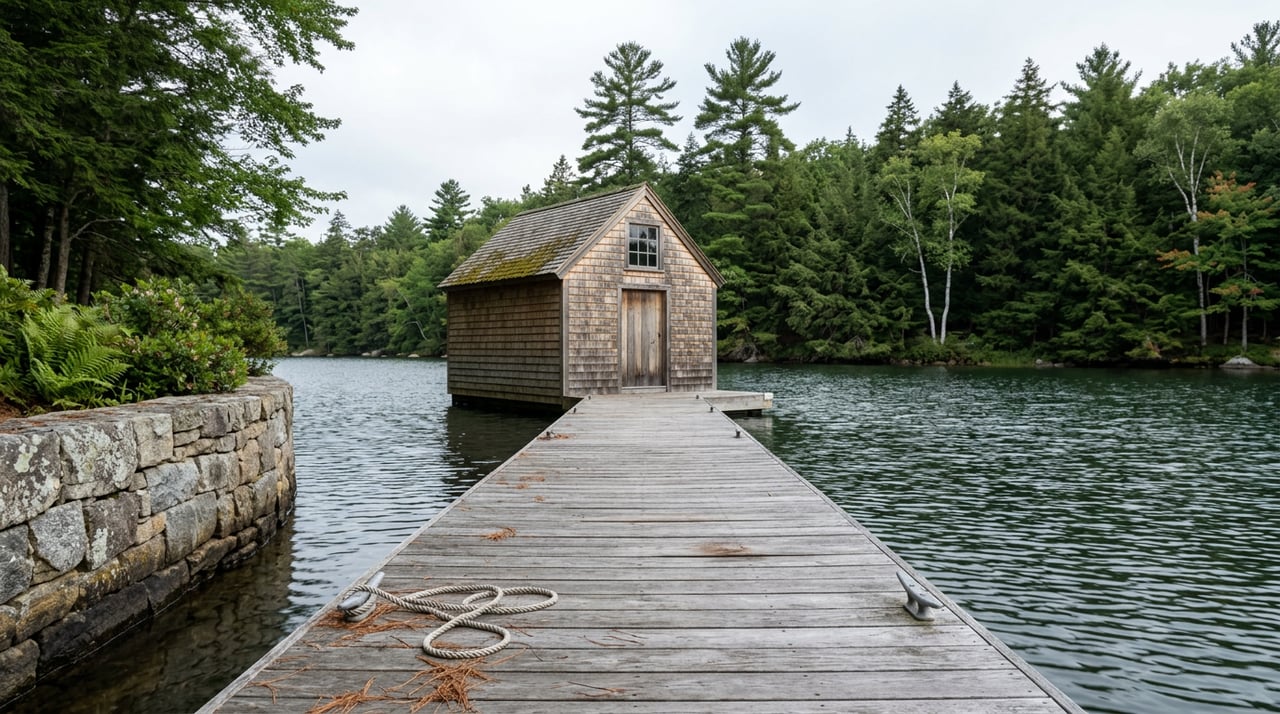
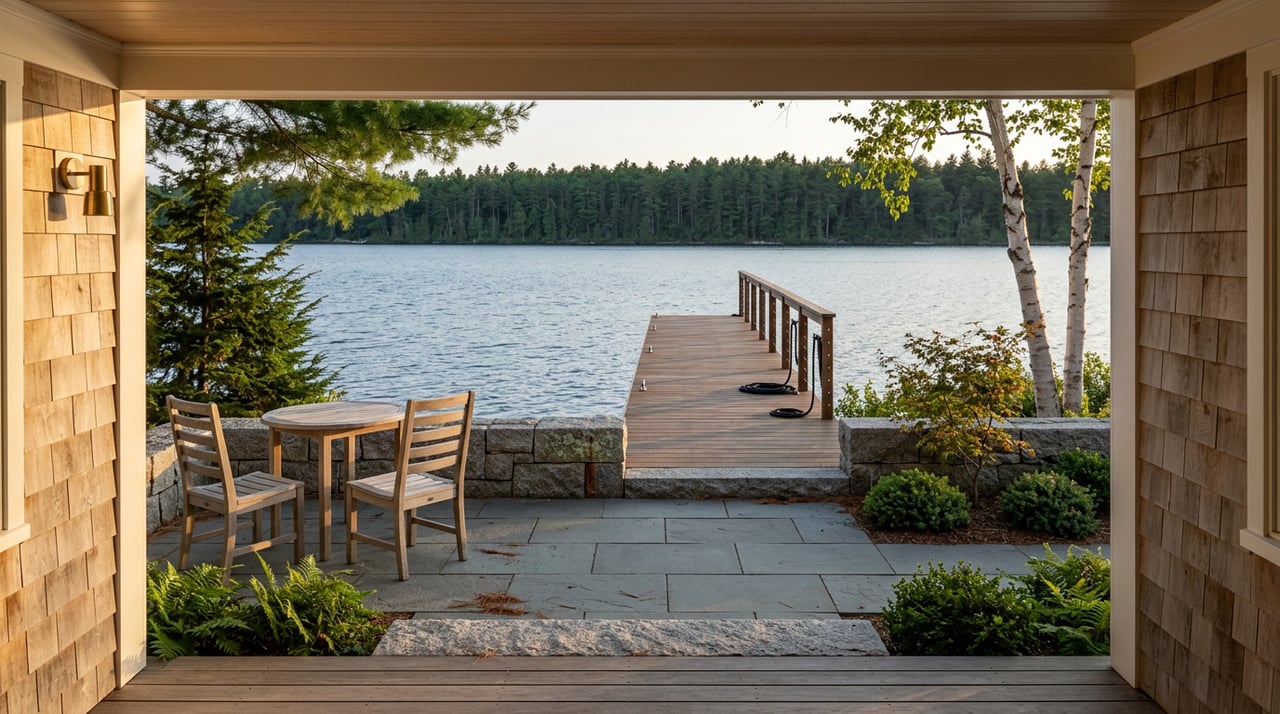
On Winnipesaukee, true waterfront means your parcel touches the lake’s reference line and typically includes the shorebank where a private dock or boathouse may sit. You gain riparian (littoral) rights, which allow reasonable access and certain uses of the water. Those rights are not unlimited. New Hampshire’s public trust doctrine and state rules shape what you can do on and along the water. For a helpful primer on public trust and riparian rights in New Hampshire, see this overview on how the state balances private use with public interests.
The state also controls navigation and moorings on Winnipesaukee. A mooring requires a state permit, and rules limit proliferation of buoys. Separately, shoreland protections regulate most activity within 250 feet of the lake’s reference line, including docks and vegetation changes. If a seller claims “dock conveys” or “mooring included,” you still need to verify permits and approvals in writing.
- Learn more about New Hampshire mooring permits under RSA 270:61 at the state code site.
- Review NHDES Shoreland Protection rules (Env-Wq 1400) to understand what work needs approval.
Shared waterfront and deeded access (what they offer)
Many homes around Laconia, Gilford, and Meredith live like “lake houses” without private frontage. You’ll see three common setups:
- Shared or community waterfront. An association owns or manages a stretch of shoreline, beach, docks, and parking. You pay dues, follow the HOA’s rules, and may have assigned moorings or seasonal day docks. You’re close to the water with lower taxes and maintenance than private frontage.
- Deeded lake access or beach rights. Your deed grants legal access to a named beach, launch area, or association facility. You get dependable use, but not always a permanent dock or mooring. As an example, listings in Laconia sometimes advertise deeded Plantation Beach rights. Always confirm the exact deed language and whether the right is appurtenant to the land.
- “Near the lake.” Homes marketed as walkable or a short drive to the water. These tend to be the most budget friendly and the easiest to resell, but they rarely include a dock or mooring by default.
To see how deeded rights can be presented in our area, review a Laconia example that notes “Deeded Plantation Beach rights.” Use examples like this as a reference point, then verify the recorded documents before you rely on any claim.
Price expectations in 03246 and Belknap County
Understanding pricing gaps helps you set a smart budget:
- True Winnipesaukee waterfront. Recent Lakes Region reporting shows a median sale price around 2.5 to 2.75 million dollars for Winnipesaukee waterfront, with a broad range from smaller seasonal cottages near the high 500s to premier estates over 7 to 8 million. Use that median as a starting anchor when you compare listings and shorelines.
- County context. Belknap County single-family medians have run in the mid 400s to low 520s in recent local reporting, which is one reason true waterfront often commands a multiple of nearby off-water values.
Typical ranges by access type in our region:
- True waterfront with private frontage and dock: about 600,000 at the very low end for small seasonal cottages, into the multi-million range for year-round homes and estates. The current Winnipesaukee median sits near 2.5 to 2.75 million.
- Shared waterfront or deeded beach rights: often from the low to mid hundreds of thousands up through higher price bands depending on home size and amenities. In Laconia, listings with deeded Plantation Beach rights have been marketed in the mid 300s for modest homes. See the Plantation Beach example here for how these are described.
- Near the lake, off-water: generally closer to town or county medians, with standout homes competing above that when location and condition are strong.
Sources you can skim for current market feel:
- Review the Lakes Region market summary that details recent waterfront medians and ranges.
- See a recent Laconia listing example with deeded beach rights to understand how access can be conveyed and described.
Docks, moorings, and permits you must confirm
Moorings: permits, limits, and transfer
On Winnipesaukee, moorings are regulated by the state. You need a mooring permit, the state can limit “undue proliferation,” and decals are issued and renewed under state rules. Treat any mooring as a separate permission, not a guaranteed property right. If a seller says a buoy conveys, ask for the permit number and confirm transfer and renewal with the state before you rely on it. Read RSA 270:61 for the core requirements.
Local harbormasters and marinas also manage municipal fields and seasonal slip leases. Waitlists are common in busy coves. A spot at a commercial marina is usually a lease, not real property. For a quick local explainer on slips versus moorings, review this buyer basics piece for Alton and Alton Bay.
Docks: shoreland rules and prior approvals
Most shoreline work within 250 feet of the lake’s reference line is regulated. Some low-impact docks may qualify for streamlined notifications, but many projects require permits. Always ask the seller for copies of any NHDES approvals for docks, boathouses, seawalls, or shoreline stabilization. Start with the NHDES Shoreland Protection rules (Env-Wq 1400) to understand the triggers.
Real-world costs to budget
Owning a boat is wonderful, but there are real costs on the water:
- Docks. Residential dock projects can range from a few thousand dollars for simple kits up to 10,000 to 40,000 dollars or more for larger, well-finished systems. National cost surveys place average residential dock projects near 15,000 dollars, but site, materials, and ice-outs drive the final number. See HomeAdvisor’s dock cost overview for context.
- Moorings. Common mooring systems can run from roughly 800 to 3,000 dollars or more, plus annual inspections, buoy replacement, and permit fees. Bottom type and depth matter. This review of mooring infrastructure provides a broad cost look.
- Ongoing. Plan for winter removal, reinstallation, periodic repairs, and insurance.
Insurance and flood checks
Standard homeowners insurance does not cover flooding. If a home sits in a FEMA Special Flood Hazard Area, your lender will likely require flood insurance. Even if they do not, it can be a smart choice. Pull the FEMA map panel early and get quotes. For basics and how policies work, visit FloodSmart, the National Flood Insurance Program’s resource site.
Septic and wells near shore
Many shoreline homes rely on private septic and wells. Upgrading or repairing septic near the water can be costly and may require added shoreland permits. Order a full septic inspection and review any design approvals during due diligence. This state-by-state septic inspection guide is a helpful starting point as you plan your evaluation.
Lifestyle trade-offs to consider
- Convenience. A private dock lets you step onto your boat. A mooring requires a tender, which is less convenient but typically less expensive to maintain.
- Privacy and traffic. Homes near public beaches, marinas, or launch corridors will feel busier during peak summer. Quieter coves trade proximity to attractions for calmer water and fewer wakes.
- Taxes and maintenance. True waterfront carries higher assessments and more upkeep. Shared waterfront or deeded access reduces those burdens while still delivering the lake lifestyle.
- Rentals. If you plan to rent, rules matter. For example, the Town of Alton requires short-term rental permits and operator compliance. HOA restrictions can limit rentals too. Confirm current rules, permit status, and any HOA limits before you underwrite projected rental income.
Which option fits your goals?
- Choose true waterfront if you want direct control of your shoreline experience, highest long-term resale appeal, and the walk-to-the-boat lifestyle. Budget for higher taxes, dock compliance, and more maintenance.
- Choose shared waterfront if you want a beach, day dock, or mooring opportunities without full waterfront costs. Be comfortable with HOA rules and shared facilities.
- Choose deeded access if you want reliable use of a beach or launch area at a lower entry price. Confirm the recorded easement language and how guests and rentals are handled.
- Choose near-the-lake homes if budget and resale flexibility come first. You can still enjoy the lake through public access points, marinas, and seasonal rentals.
Your Winnipesaukee due-diligence checklist
Use this list before you tour or make an offer:
Define the exact access type. Ask the listing agent for recorded deed pages and any HOA documents that grant beach, dock, slip, or mooring rights. If a buoy or slip is advertised, request the permit or lease documents and any state decal numbers. For mooring requirements, review RSA 270:61.
Verify shoreland and dock permits. Request copies of NHDES Shoreland or Wetlands approvals, or any Permit-by-Notification used for docks or shoreline stabilization. Start with the NHDES Shoreland Protection rules (Env-Wq 1400).
Call the harbormaster or marina. Confirm policy on municipal moorings, slip waitlists, and whether a current spot can transfer. A commercial slip is often a seasonal lease, not a deeded right. For background on local practices, this slip vs. mooring guide is useful.
Order a current survey. Have a surveyor confirm measured frontage, setbacks, and any recorded easements. Shorelines change, so rely on professional measurements.
Inspect septic and test water. Get a full septic inspection and review any ISDS designs. Check well water quality. A septic upgrade near the shore can be time-consuming and expensive.
Check flood risk and insurance. Pull the FEMA map panel for the exact parcel and get quotes if the home is in or near a mapped zone. FloodSmart explains the basics and policy options.
Inspect the dock and mooring hardware. Have a marine contractor evaluate pilings, floats, electrical, and any lift. For moorings, ask for the permit number and the most recent inspection or decal renewal.
Review HOA governance if applicable. Request bylaws, rules, budgets, and slip or mooring assignment policies. Stable governance and clear rights improve long-term value.
Resale and long-term value
- True waterfront tends to offer the best resale liquidity, especially when docks are fully permitted and water depth supports a range of boats.
- Deeded access and shared waterfront attract buyers who value lower taxes and maintenance, but clarity is key. Clean, recorded rights and well-run associations support stronger resale.
- Near-the-lake homes reach the broadest buyer pool. Be transparent about the exact access status to avoid surprises during inspection and financing.
Ready to pinpoint the right fit for your lifestyle and budget in 03246 and around Belknap County? Let us help you read the fine print, verify permits, and compare shoreline nuances before you make a move. Contact Chip Hornbeek for a free Lake-Market consultation and a tailored property plan.
FAQs
What is the difference between waterfront and water-access on Lake Winnipesaukee?
- True waterfront touches the lake’s reference line and may include a dock, while water-access usually means shared or deeded rights to a beach or facility without private frontage; always verify recorded rights and permits.
How much does it cost to add or upgrade a dock on Winnipesaukee?
- National dock surveys show typical residential projects near 15,000 dollars, with a broad range from a few thousand up to 10,000 to 40,000 dollars or more depending on size, materials, and site conditions.
Can a mooring permit transfer when buying a waterfront home in Belknap County?
- A mooring on Winnipesaukee requires a state permit and decal; do not assume transferability with the sale—confirm the permit number and renewal rules under RSA 270:61 before you rely on it.
Are short-term rentals allowed near Lake Winnipesaukee, and what should I check?
- Rules vary by town and HOA; for example, Alton requires short-term rental permits, so confirm local code compliance and any association limits before pricing rentals into your offer.
What should I verify about deeded beach rights in Laconia (03246)?
- Ask for the recorded deed or easement that grants access, confirm whether rights are appurtenant to the property, and review any HOA rules on docks, moorings, guests, and parking.