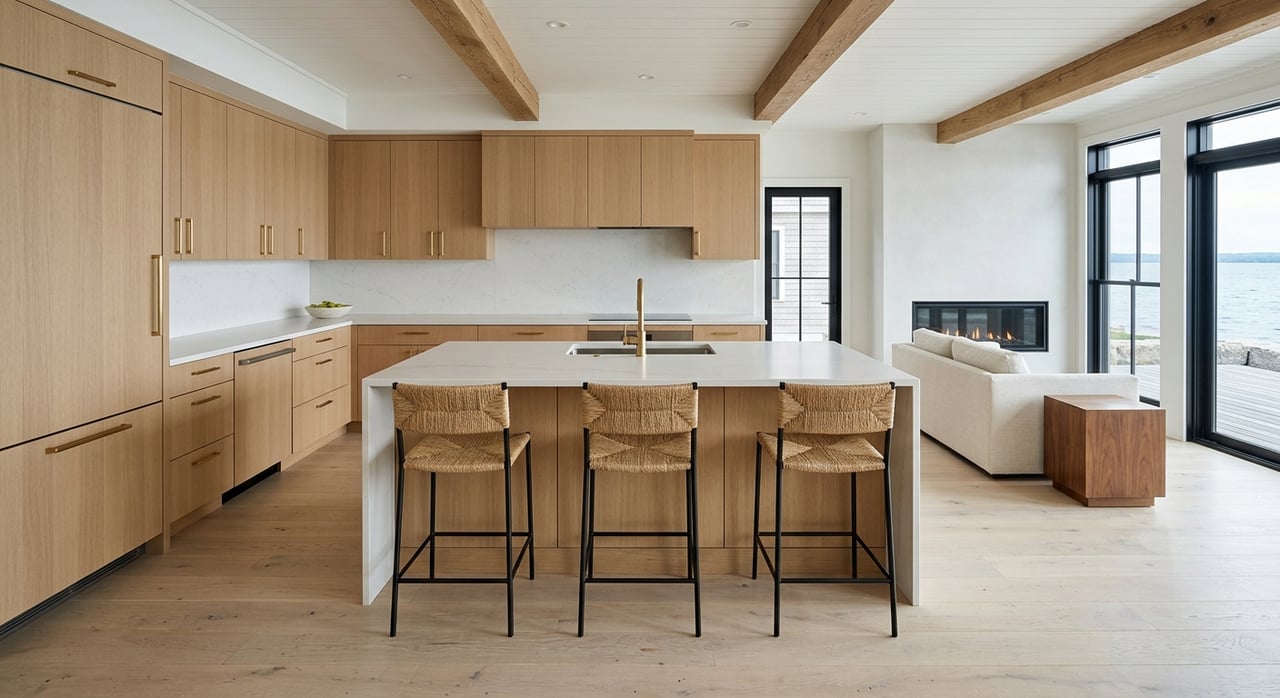
Selling a Lake Winnipesaukee waterfront home is not the same as selling an inland property a few roads back. Buyers at this price point are looking at the shoreline, the dock, the view, and the paperwork just as closely as they look at the house itself. If you want to protect value and attract strong offers, you need a plan built for the lakefront market. Let’s dive in.
Why waterfront selling is different
Lake Winnipesaukee waterfront property operates in a very different price tier than the broader market. In 2025, lakefront home sales excluding islands recorded 85 sales, a $2.75 million median sale price, and an average of 26 days on market, while Belknap County’s overall single-family median was $520,000, according to the Laconia Daily Sun market recap.
That gap matters when you prepare to sell. A waterfront buyer is not comparing your home to a typical inland listing in the same county. They are comparing it to other properties with similar frontage, access, views, privacy, and dock utility.
In towns around the lake, the market also has a strong seasonal rhythm. The Moultonborough appraisal report notes that improved residential waterfront parcels represent a disproportionately large share of taxable value, and the town also reports a large second-home presence. That is a big reason your marketing, timing, and presentation need to speak to both local and out-of-area buyers.
Price with true waterfront comps
One of the biggest mistakes sellers make is pricing from general town averages. That approach can miss the mark because waterfront homes trade on a different set of value drivers.
Academic research cited in the University of San Diego paper on water-related premiums found that lakefront homes can command a substantial premium over comparable off-water homes. The practical takeaway is simple: your home should be evaluated against nearby waterfront sales with similar shoreline features, not against inland homes that happen to share the same town name.
What buyers pay for most
On Lake Winnipesaukee, value often comes down to factors such as:
- Frontage length
- Direct water access
- Dock or slip availability
- View quality
- Privacy
- Water depth
- Shoreline usability
A modest difference in dock condition, shoreline access, or view corridor can have an outsized effect on buyer interest. That is why a pricing strategy for waterfront property has to look beyond square footage and bedroom count.
Build a strong property file
Before listing, it helps to organize documents that support value and reduce buyer uncertainty. For many waterfront sellers, that means gathering:
- Survey documents
- Dock records
- Permit history
- Shoreline improvement records
- A clear list of major updates and repairs
This kind of preparation matters because shoreline structures and site improvements often carry as much weight as the home itself. It also helps appraisers, lenders, and buyers understand what they are really purchasing.
Repair the shoreline first
When you sell a waterfront home, cosmetic updates inside the house are only part of the story. In many cases, the best pre-listing dollars go outside first.
According to the American Society of Home Inspectors overview of waterfront home inspections, waterfront homes can show added wear from moisture, erosion, settlement, wind exposure, and long-term hardware degradation. Docks and piers are also common maintenance concerns.
Focus on the issues buyers notice fast
If you are deciding where to spend money before listing, prioritize the items that affect safety, usability, and peace of mind:
- Dock safety and visible condition
- Drainage and erosion control
- Moisture intrusion
- Exterior wood or metal wear
- Septic status
- Any shoreline work that may not have clear permit history
These are the issues that can quickly raise buyer questions during a showing or inspection. They can also affect how confidently a buyer writes an offer.
Check permit history before you list
Lakefront homes come with more regulation than inland properties. The New Hampshire Department of Environmental Services Shoreland Water Quality Protection Act summary explains that land within 250 feet of certain public waters is regulated, and excavation, fill, and construction often require a shoreland permit.
Docks and other water access structures have their own standards as well. NHDES notes in its dock permitting guidance that size and setback rules apply, including minimum separation from abutting property lines.
If your property has a dock, shoreline stairs, beach work, retaining features, or shoreline cuts, it is smart to confirm what was done and whether permits are on file. That step can prevent delays later and gives buyers more confidence from day one.
Protect the shoreline appeal
A common pre-sale instinct is to clear as much vegetation as possible to open the view. On a lakefront property, that can backfire.
The NHDES shoreland summary explains that shoreline vegetation helps protect water quality, and protected buffer areas generally need natural ground cover to remain in place except for limited access paths. Over-clearing can create both compliance concerns and negative buyer reactions.
Use selective trimming, not over-clearing
A better approach is to improve sightlines while preserving the natural shoreline character. Guidance from NHDES on shoreland planting and University of Minnesota Extension shoreland advice supports maintaining native vegetation and using selective trimming where appropriate.
For sellers, that means focusing on:
- Opening a clean view corridor
- Keeping the path to the water neat and safe
- Preserving a natural shoreline feel
- Avoiding too much hardscape or bare soil near the water
This helps the property show well while respecting the features that make lakefront living appealing in the first place.
Stage for outdoor living
With waterfront property, buyers are often purchasing a lifestyle before they are purchasing finishes. That means your staging plan should highlight how the home lives at the water’s edge.
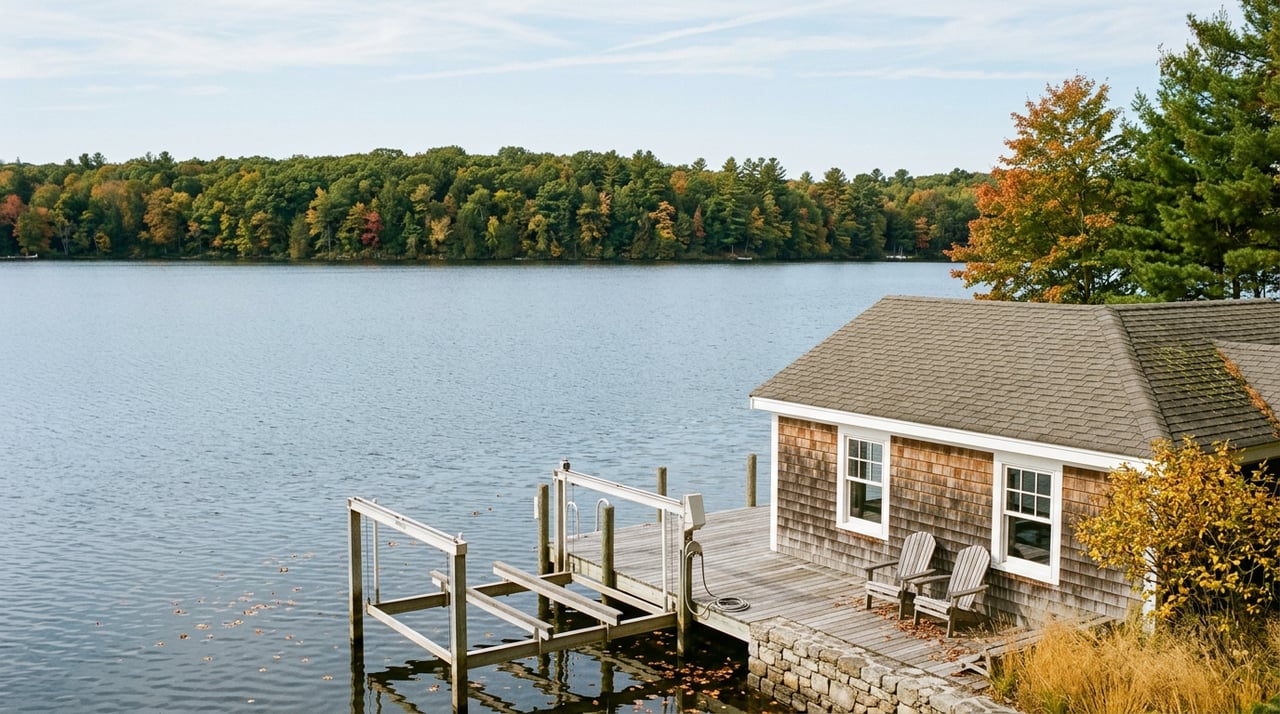
Instead of treating the lake as a backdrop, make it part of the showing experience. The strongest presentation often includes clear sightlines to the water, a clean and usable dock area, uncluttered outdoor seating, and an exterior setup that feels ready for a summer afternoon.
Highlight the spaces that sell the dream
Try to focus attention on the features buyers imagine using right away:
- The approach to the shoreline
- The dock or launch area
- Main living spaces with water views
- Decks, patios, and outdoor seating areas
- Entry spaces that support lake-day traffic
Inside the home, simplify rooms so the lake remains the focal point. Outside, aim for clean, polished, and low-clutter rather than overly styled.
Time your listing for the lake market
Timing matters in any market, but it can matter even more on Lake Winnipesaukee. Buyers respond strongly when they can see the shoreline, understand the dock setup, and picture the home in active use.
Because the area has a clear seasonal pattern and strong summer occupancy, late winter through early summer is often a smart window for presentation. That timing can help you show green shoreline areas, longer views, and a dock that looks usable and ready for the season.
Why presentation timing affects value
In a premium market, small presentation issues can cost attention. If the dock is not in place, outdoor areas look tired, or the shoreline feels closed off, buyers may hesitate even if the property is fundamentally strong.
When the home is photographed and shown at the right time, you give buyers a more complete picture of what they are paying for. On waterfront property, that picture carries real weight.
Prepare for buyer questions
Most waterfront buyers ask more detailed questions than inland buyers. That is normal, and it is a good reason to be ready with clear information before your home goes live.
Based on the market’s seasonal and regulated nature, common questions include:
- Is the dock permitted and transferable?
- What shoreline work was done, and was it permitted?
- Are there view obstructions or vegetation limits?
- What maintenance has been deferred?
- Is the home best suited for seasonal or year-round use?
Having clear answers can make your listing feel more credible and easier to evaluate. It also reduces the risk of surprises once a buyer begins inspections and due diligence.
A smarter way to sell on Winnipesaukee
Selling a Lake Winnipesaukee waterfront home takes more than a sign in the yard and a price based on square footage. You need sharp waterfront pricing, organized records, attention to docks and shoreline details, and marketing that shows the property at its best.
That is where practical local knowledge matters. With a background in building and remodeling, plus a strong focus on Lake Winnipesaukee and nearby towns, Chip Hornbeek can help you make smart decisions about preparation, presentation, and timing before your home hits the market.
FAQs
What makes selling a Lake Winnipesaukee waterfront home different from selling an inland home?
- Waterfront buyers usually place significant value on frontage, dock access, shoreline usability, privacy, and views, so pricing and marketing need to focus on those features.
How should you price a Lake Winnipesaukee waterfront home?
- You should use nearby waterfront comparable sales with similar access, frontage, and view characteristics rather than general town or county averages.
What repairs matter most before listing a Lake Winnipesaukee waterfront home?
- The highest-priority items are often dock condition, drainage, erosion concerns, moisture issues, exterior wear, septic status, and any shoreline improvements that need documentation.
Do Lake Winnipesaukee waterfront sellers need to verify dock and shoreline permits?
- Yes, it is wise to confirm permit history for docks, shoreline cuts, stairs, beach work, and similar improvements before listing.
When is the best time to list a Lake Winnipesaukee waterfront home?
- Late winter through early summer can be a strong time to list because buyers can better see the dock setup, shoreline condition, and lake views.