If you want top-dollar interest for your Gilford home, preparation is not optional. Buyers in this market notice condition quickly, especially when a property needs to work for lake days, ski weekends, and year-round living. A smart plan can help you avoid preventable surprises, strengthen buyer confidence, and make your home show better online and in person. Let’s dive in.
Why Gilford sale prep is different
Gilford is not a one-size-fits-all market. With Lake Winnipesaukee on one side and the Belknap range and Gunstock on the other, buyers often pay close attention to how a home supports seasonal living as well as everyday comfort.
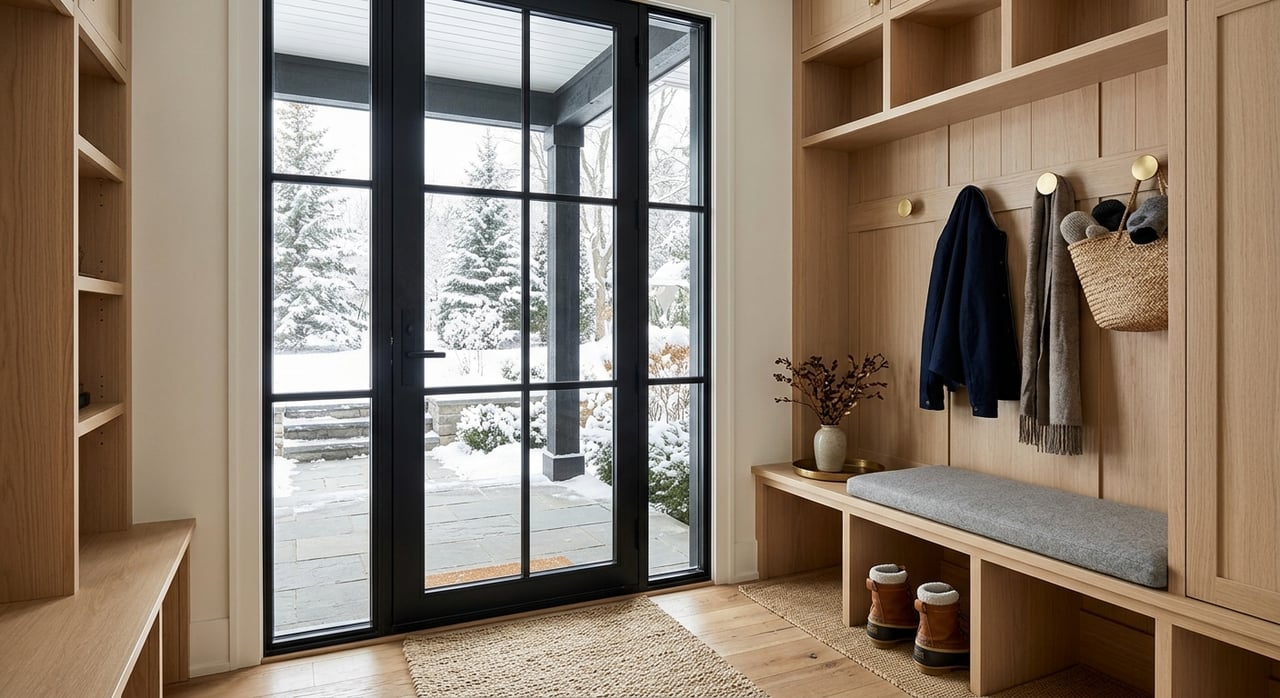
That means details like winter access, mudroom function, gear storage, parking, outdoor spaces, and shoreline logistics can shape first impressions. If your home is near the lake, near recreation, or used seasonally, your prep work should reflect how buyers actually imagine using it.
Start with repairs before updates
Before you think about styling, paint colors, or new decor, take care of visible maintenance issues. Small defects can make buyers wonder what else has been ignored, and that can weaken confidence before they even book a showing.
A strong first round of prep usually includes fixing leaks, stains, chipped paint, sticky doors, broken screens, loose railings, damaged trim, and failing caulk. It also helps to service HVAC systems and appliances and make sure the exterior, driveway, and front entry look clean and cared for.
For many sellers, this is where practical advice matters most. In Gilford, especially with older homes, cottages, and waterfront properties, the right repair list is usually the one that improves credibility rather than chasing every possible upgrade.
Check permits before doing work
In Gilford, permit rules matter. The town requires a building permit for construction and for many types of work, including repairs, additions, sheds, fences, decks, porches, and electrical or plumbing work.
That is why it is wise to confirm whether past projects were properly permitted and whether any work you are planning needs town approval before you begin. This step can help you avoid delays and difficult questions once your home hits the market.
If your property includes exterior structures or site improvements, this review becomes even more important. A simple pre-listing check now can be much easier than trying to sort it out in the middle of a transaction.
Be careful with older-home paint work
If your home was built before 1978, lead-based paint rules may apply. Pre-sale touch-ups can seem simple, but unsafe scraping, sanding, or painting can create lead dust.
That makes lead-safe work practices important for older homes in Gilford. If you are refreshing walls, trim, or exterior surfaces before listing, take care to handle the work properly and keep records if needed.
Gather documents early
One of the best ways to prepare for a successful sale is to organize your paperwork before your home goes live. Buyers often ask for system details quickly, and having clear records helps the process feel smoother and more credible.
Useful items to collect include:
- Building permits
- Water test results
- Septic pumping records
- Service invoices
- Appliance manuals
- Utility bills
- HOA or waterfront association documents
- Prior inspection reports or repair receipts
This is especially helpful in New Hampshire, where sellers of one- to four-family homes must provide written disclosure on items such as private water supply, private sewage disposal, insulation, and federally designated flood hazard zones.
Focus on New Hampshire disclosures
New Hampshire has specific disclosure requirements that matter before a contract is signed. State law requires notification about radon, arsenic, lead, PFAS, and flood risk, and it notes that standard homeowners insurance typically does not cover flood damage.
For you as a seller, this means preparation is more than cosmetic. It also means getting ahead of the facts buyers are likely to review closely, especially if your property has private systems or waterfront considerations.
If your home uses a private well or septic system, gather as much supporting information as you can early. In Gilford, many areas are served by sewer, but much of town still relies on individual subsurface septic systems.
Test radon sooner, not later
Radon deserves special attention in New Hampshire. State health guidance says testing is the only way to know whether radon is present, and elevated levels are common enough that homeowners should test rather than guess.
Because New Hampshire now requires radon notification before contract, early testing is a practical move. It gives you time to understand the result and address the issue before your home is actively being marketed.
This can reduce stress later and help you avoid a last-minute scramble during negotiations. In many cases, being proactive simply puts you in a stronger position.
Do a basic safety review
Before listing, check the basics that buyers and inspectors tend to notice right away. Smoke alarms, carbon monoxide alarms, moisture issues, and heating or cooling performance should all be on your radar.
A practical order of operations looks like this:
- Test radon
- Inspect smoke and carbon monoxide alarms
- Service heating and cooling systems
- Fix active leaks or moisture issues
- Address any obvious safety concerns like loose steps or railings
These are not flashy improvements, but they can support a cleaner inspection process and better buyer confidence.
Prep waterfront and shoreline areas carefully
If your property is on or near the water, outdoor prep may involve more than a simple cleanup. New Hampshire’s Shoreland Water Quality Protection Act affects protected shoreland areas, generally extending 250 feet from public waters, and includes limits related to setbacks, vegetation removal, impervious surfaces, septic setbacks, and other site changes.
Gilford also notes that only docks and boathouses may be placed within 50 feet of Lake Winnipesaukee. So if you are thinking about shoreline cleanup, dock work, plant removal, retaining walls, or path improvements before listing, it is smart to check local and state rules first.
For waterfront sellers, this is a major area where practical guidance matters. A tidy shoreline is helpful, but compliant shoreline work is even more important.
Make seasonal curb appeal work for you
In Gilford, curb appeal should reflect the season in which your home is being marketed. Buyers here often think about the property through a year-round lens, so your exterior should feel usable and manageable.
Winter curb appeal
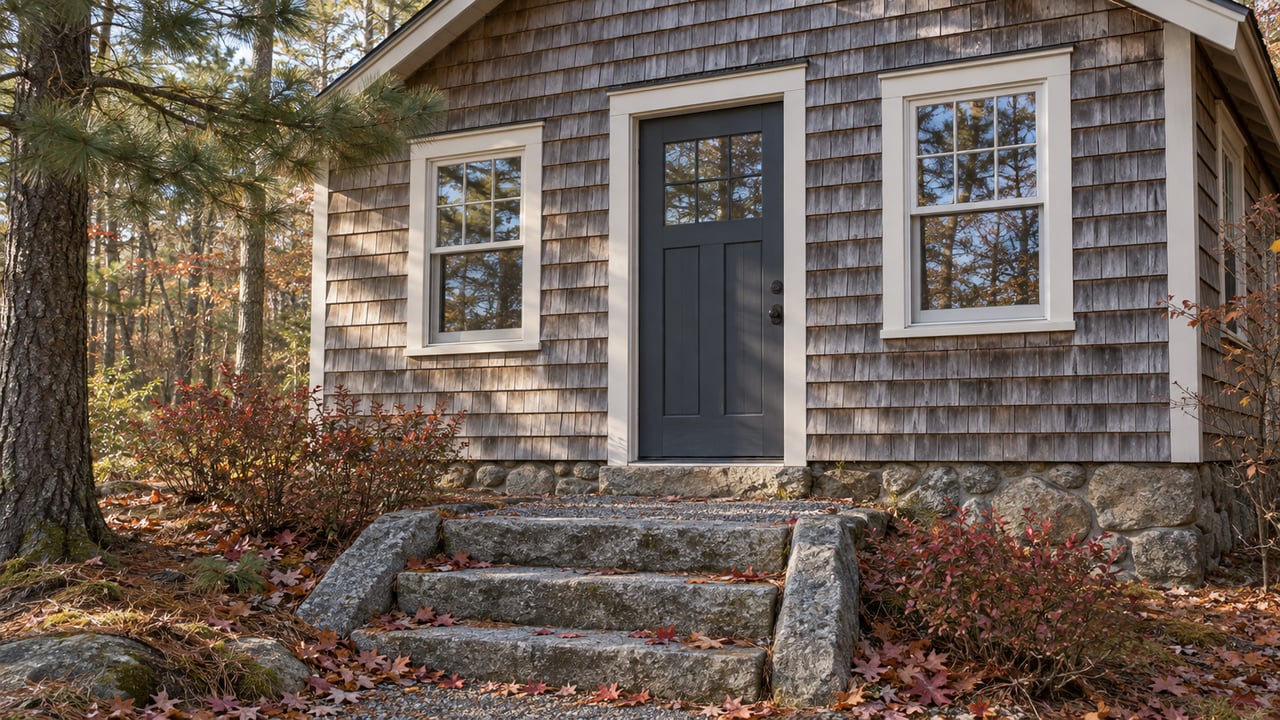
In winter, focus on safety and access first. A plowed driveway, shoveled walkways, working exterior lights, and a clean, obvious entry matter more than decorative touches.
Rooflines and drainage areas should also look maintained. The goal is to help buyers feel that arriving at and living in the home during snow season will be straightforward.
Summer curb appeal
In summer, buyers are often looking hard at outdoor living. Decks, patios, lawn areas, docks, and storage for lake or recreation gear should feel ready to use, not like a project waiting to happen.
If your home has lake or mountain lifestyle appeal, make those spaces easy to understand. Clean, open, usable outdoor areas can help buyers picture entertaining, relaxing, and making the most of the property.
Stage for clarity, not clutter
Staging works best when it helps buyers see space, function, and light. According to NAR’s 2025 staging findings, staging made it easier for buyers to visualize the home as their future residence, and many agents reported reduced time on market and stronger offers.
That matters because many buyers first meet your home online. Listing photos are often the first showing, not an afterthought.
A smart staging plan usually includes:
- Deep cleaning every room
- Opening blinds and maximizing natural light
- Clearing counters and tabletops
- Simplifying bedding and linens
- Removing excess furniture
- Hiding cords and small distractions
- Minimizing highly personal items
You do not need to overdecorate. In most cases, a bright, clean, calm home will photograph better and feel more inviting than one filled with too much furniture or too many accessories.
Highlight the rooms Gilford buyers notice
Not every room carries the same weight. In Gilford, buyers often pay particular attention to spaces that support seasonal use, comfort, and entertaining.
The rooms and areas to prioritize usually include:
- Entry or mudroom
- Kitchen
- Main living area
- Primary bedroom
- Deck, patio, or outdoor sitting area
- Storage areas for seasonal gear
If your home has a lake view, mountain view, dock access, or a strong outdoor-living feature, make sure that value is easy to see in person and in photos. Good preparation is about helping buyers understand what makes the property work.
Follow a smart order of operations
When sellers feel overwhelmed, it usually helps to follow a clear sequence. The right order can save time, reduce wasted spending, and keep you focused on changes that matter most.
Step 1: Collect records
Start with permits, utility information, septic or well documents, and repair history. This creates a solid foundation for disclosures and buyer questions.
Step 2: Handle systems and safety
Next, deal with radon testing, alarms, HVAC service, leaks, and moisture issues. System problems are easier to manage before cosmetic work begins.
Step 3: Confirm permit-sensitive items
Before touching decks, porches, fences, sheds, plumbing, or electrical work, check Gilford permit requirements. This step can help you avoid expensive missteps.
Step 4: Clean up the exterior
Match the exterior prep to the season and to your property type. Waterfront homes, winter-access homes, and summer-use properties all benefit from slightly different priorities.
Step 5: Deep clean and stage
Once the hard work is done, prepare for photography and showings. Clean, bright, uncluttered presentation helps your home make a strong first impression where it matters most.
The bottom line for Gilford sellers
A successful sale in Gilford usually comes down to two things working together: real preparation and strong presentation. Buyers want to see a home that feels cared for, functional, and ready for the way people actually live in the Lakes Region.
That is where local guidance can make a real difference. If you are selling a waterfront home, an older house, or a property with seasonal-use features, the best prep plan is rarely generic. It should fit the house, the location, and the buyers most likely to respond.
When you are ready to plan the right next steps, Chip Hornbeek can help you decide what to fix, what to leave alone, and how to position your Gilford home for a stronger sale.
FAQs
What should I fix before listing a home in Gilford?
- Start with visible maintenance and safety issues such as leaks, stains, loose railings, chipped paint, sticky doors, broken screens, failing caulk, and system servicing.
Do I need permits for repair work before selling a Gilford home?
- Gilford requires building permits for many types of construction and repair work, including decks, porches, sheds, fences, electrical work, and plumbing, so it is smart to verify permit needs before starting.
What disclosures matter when selling a home in New Hampshire?
- For one- to four-family homes, New Hampshire requires written disclosure on items such as private water supply, private sewage disposal, insulation, and flood hazard zones, with additional notification required before contract for radon, arsenic, lead, PFAS, and flood risk.
Should I test for radon before listing a Gilford home?
- Yes. New Hampshire guidance says testing is the only way to know whether radon is present, and early testing gives you more control before negotiations begin.
How should I stage a Gilford home for buyers?
- Focus on clean, bright, uncluttered rooms and highlight practical spaces like the mudroom, kitchen, living area, primary bedroom, and outdoor areas that support lake or year-round living.
What outdoor areas matter most when selling a Gilford property?
- Buyers often notice driveway access, entry safety, decks, patios, docks, gear storage, and shoreline condition, especially in a market shaped by lake access, winter weather, and seasonal recreation.