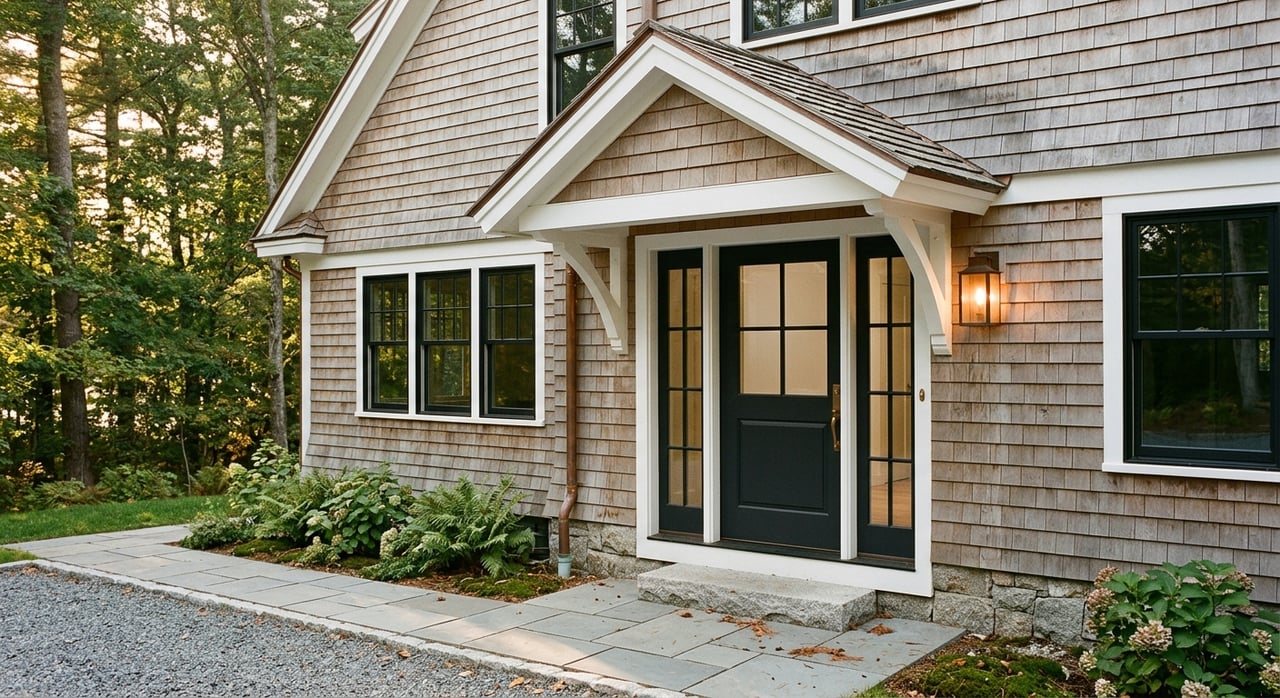
If you’re getting ready to sell a home in Wolfeboro, one question can shape everything that follows: should you fix it up first, or sell it as-is? That choice matters even more in a lake-centered market where buyers often notice condition right away, from the front entry to the shoreline. The good news is that you do not have to guess. With the right mix of market data, project ROI, and local permit awareness, you can make a smarter decision before you spend a dollar. Let’s dive in.
Why this decision matters in Wolfeboro
Wolfeboro is not just any New Hampshire town. According to the Town of Wolfeboro, it is a Lake Winnipesaukee community known for its long shoreline and recreation-focused setting, and that tends to make exterior condition and waterfront usability more visible to buyers.
The local housing profile also helps explain why presentation matters. Census QuickFacts cited by the town show a 2024 population estimate of 6,625, an owner-occupied housing rate of 78.1%, a median owner-occupied home value of $546,500, and 34.6% of residents age 65 or older. In a market with a high share of owner-occupied homes and many long-held properties, buyers may encounter homes with solid bones but uneven updates.
Current pricing also suggests value, but not a market where condition can be ignored. Redfin’s Wolfeboro housing market page reports a median sale price of $539K and about 85 days on market, while the research report notes Zillow showed 21 homes for sale as of Feb. 28, 2026, with a typical home value of $596,981. Those figures use different methods, but together they point to a market where buyers still have choices.
Start with the highest-return updates
If your home is generally sound, the numbers favor targeted improvements over major renovation. For pre-listing work, the strongest guidance in the research comes from the 2025 Cost vs. Value report and its New England regional data.
In plain terms, small and visible projects usually make more sense than expensive tear-outs. That is especially true if your goal is to improve photos, reduce buyer objections, and keep your listing timeline moving.
Focus on cosmetic kitchen updates
Kitchen work often gets attention from sellers first, but the data show a big gap between a refresh and a full remodel. In New England, a minor kitchen remodel cost $28,936 and returned $38,865 in resale value, or 134.3% of cost recouped.
A major midrange kitchen remodel told a different story. That same New England report found a cost of $84,000 with only 50.4% recouped. For most Wolfeboro sellers, that makes a strong case for paint, updated lighting, cabinet hardware, surface improvements, and general cleanup instead of a full replacement.
Refresh bathrooms, don’t overbuild
Bathrooms show a similar pattern. A midrange bath remodel in New England cost $27,559 and recouped 90.5%, while an upscale bath remodel recouped 45% and a bathroom addition recouped 44%.
That means dated but functional bathrooms may be worth improving before you list. New fixtures, paint, mirrors, lighting, and selective finish updates can help. A luxury-style expansion right before selling is much harder to justify.
Put curb appeal first
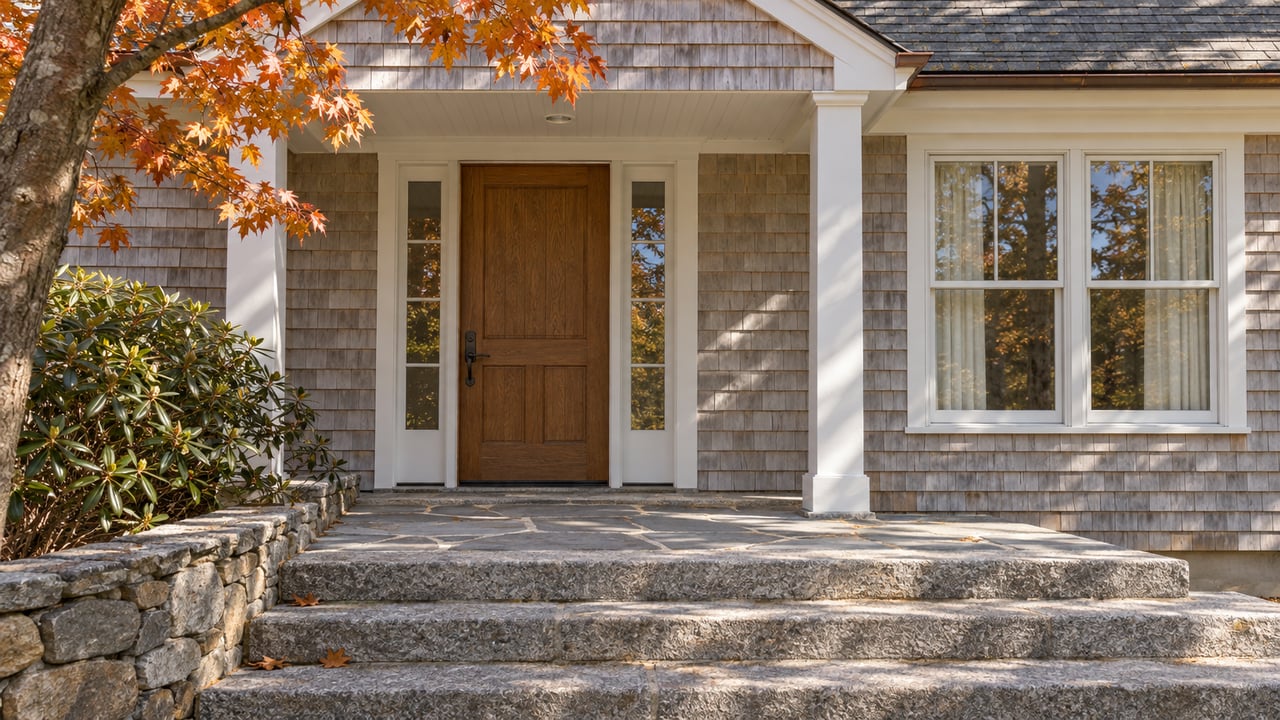
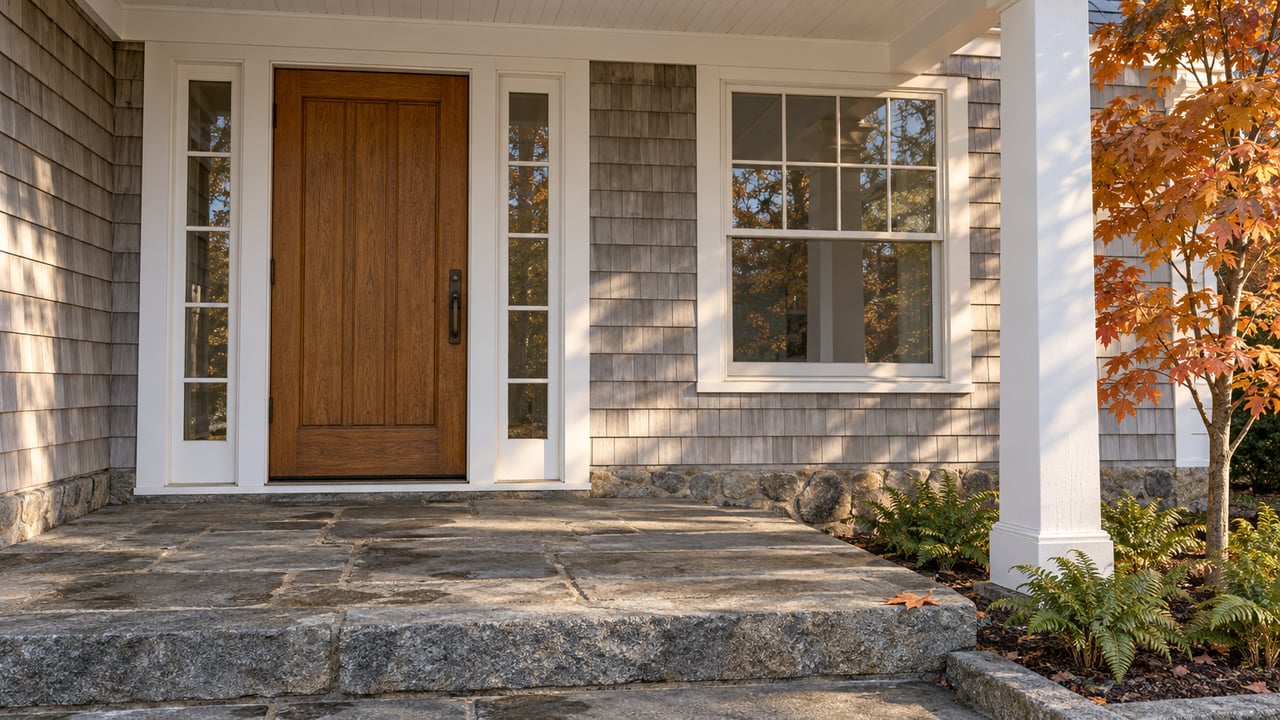
Exterior work posted some of the best returns in the region. The 2025 New England Cost vs. Value data found garage door replacement recouped 349.3%, steel entry door replacement recouped 182.9%, and fiber-cement siding replacement recouped 144.9%.
Even vinyl siding replacement held up well at 92.7%. Asphalt shingle roof replacement recouped 62.6%, which is not as strong as doors or siding, but roof appearance and visible maintenance still affect buyer confidence. In Wolfeboro, where the setting can make exterior details stand out, these projects often deserve first priority.
When selling as-is makes more sense
Not every home should be renovated before it hits the market. In many cases, selling as-is is the more efficient and financially sensible path.
This is especially true when your project list moves beyond refreshes and into major construction. The same New England Cost vs. Value report shows weaker recoup rates for major kitchen remodels, upscale bath remodels, bathroom additions, and metal roof replacement, which came in at 38.9%.
If your home needs that level of work, it may be better to price for condition instead of trying to recover a large renovation bill. Buyers looking in Wolfeboro may still see the property’s potential, especially if the location, lot, or waterfront access is strong.
Sell as-is if timing matters
Timeline is another major factor. Wolfeboro’s FAQ page says a building permit is required for the construction, repair, relocation, removal, or demolition of any building or structure, and work cannot begin until the permit is issued.
That matters because even a sensible repair plan can stall if permits, scheduling, or shoreline rules slow things down. In a market where the research report cites about 85 days on market from Redfin, some sellers may prefer to list sooner instead of losing weeks or months to pre-sale work.
Sell as-is if buyers will want their own vision
This comes up often with older homes, cottages, and waterfront properties. If the next owner is likely to rework the kitchen, bath, or dock to fit their own goals anyway, large pre-listing upgrades may not create enough value to pay for themselves.
In those cases, a clean, well-presented as-is sale can be the better move. The key is knowing which flaws are acceptable to leave alone and which visible issues should still be addressed to protect buyer confidence.
Waterfront homes need a different strategy
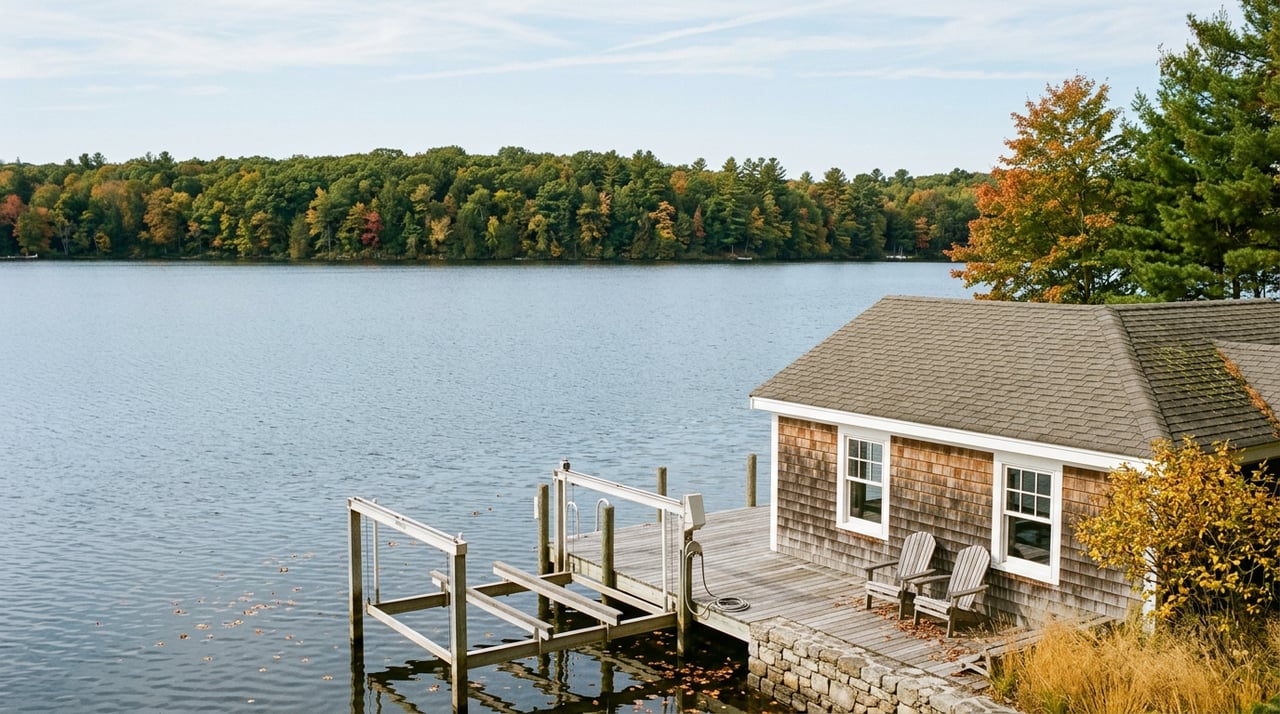
For waterfront sellers in Wolfeboro, the renovate-or-sell-as-is question gets more complex. Docks, shoreline access, and lake usability often draw a lot of attention, but unlike kitchens and baths, dock upgrades are not part of the standard Cost vs. Value report. That means there is no simple resale percentage to lean on.
Instead, this decision depends more on condition, safety, usability, and compliance. If a dock is functional and supports the property well, a full upgrade may not be necessary before listing.
Check permit rules before dock work
Permit issues matter here. Wolfeboro’s FAQ notes that building permits are required for many types of construction and repair work, and even exempt accessory structures may still be subject to zoning, shoreland, and wetlands buffers.
The same research report also cites state guidance from NHDES: temporary seasonal docks on lakes and ponds may be exempt from permitting if notice is filed and criteria are met, while permanent docks are only permitted on waterbodies of 1,000 acres or larger through the standard permitting process. The report also notes that voluntary dock registration can help document compliance when selling property with a docking structure.
Upgrade the dock only if the benefit is clear
For most sellers, a dock project is easiest to defend when it improves safety, usability, or buyer confidence. If boards are failing, access feels unsafe, or the structure raises obvious compliance questions, addressing that issue may help the sale.
If the dock is usable and an upgrade would trigger a larger permit path or a long construction timeline, selling as-is with a thoughtful price strategy may be more efficient. In a waterfront market, clarity and documentation can matter just as much as fresh materials.
A simple way to make the choice
If you are stuck between renovating and selling as-is, use this quick test:
- Renovate first if the work is cosmetic, visible, and likely to improve photos and first impressions
- Renovate first if the project falls into stronger-return categories like minor kitchen work, midrange bath updates, doors, or siding
- Sell as-is if the work is major, expensive, or likely to trigger permit delays
- Sell as-is if the next buyer will probably want to redesign the space anyway
- Pause before waterfront work if docks or shoreline features may involve compliance or permit questions
In Wolfeboro, this usually comes down to one practical question: will the next dollar you spend make the home easier to sell, or just make it newer? Those are not always the same thing.
The best pre-listing mindset
The goal is not to create your dream renovation right before you move. The goal is to remove distractions, improve presentation, and make buyers feel confident enough to act.
That is where local market knowledge and renovation judgment can make a real difference. In a place like Wolfeboro, older homes, seasonal properties, and waterfront details often need a more tailored strategy than a standard pre-sale checklist.
If you want help deciding where to spend, where to stop, and whether as-is may actually put you in a stronger position, reach out to Chip Hornbeek. With practical remodeling insight and Lakes Region market experience, he can help you build a smart plan for your property.
FAQs
Should I remodel the kitchen before selling a home in Wolfeboro?
- Usually, a modest kitchen refresh makes more sense than a full remodel. New England data show minor kitchen remodels performed far better for resale than major midrange remodels.
Are bathroom updates worth doing before listing in Wolfeboro?
- Often yes, if the updates are moderate. Midrange bath remodels showed much stronger resale recovery than upscale bath remodels or bathroom additions.
Which exterior repairs matter most before selling in Wolfeboro?
- High-visibility exterior projects like garage doors, entry doors, siding, paint, and roof appearance tend to matter most because they affect curb appeal and buyer confidence right away.
Do dock repairs or dock upgrades in Wolfeboro need permits?
- Often they do. Wolfeboro requires permits for many construction and repair projects, and dock work may also involve shoreland or state rules depending on the type of structure and scope of work.
When is it better to sell a Wolfeboro home as-is?
- Selling as-is is often the better option when repairs are major, returns are uncertain, permits may delay the timeline, or the next buyer is likely to want their own renovation plan.