"The main thing is to make sure it is usable for everybody, and not having to deal with the issues we've dealt with in the past, including this past winter with the truck through the ice." — as reported by the Laconia Daily Sun.
That's Gilford Selectboard Chair Chan Eddy, describing why the town spent most of this summer writing a new rulebook for a beach most people only think about between Memorial Day and Labor Day. The truck he's referring to went through the ice at Gilford Town Beach last winter and sat there for a month before anyone could pull it out. That single incident is the reason the beach on Varney Point Road almost lost winter access entirely, and it's also the reason it didn't.
If you live in Gilford and use that stretch of shoreline in January as much as July, the difference between those two outcomes matters more than it sounds like it should.
What the Recreation Commission Actually Proposed
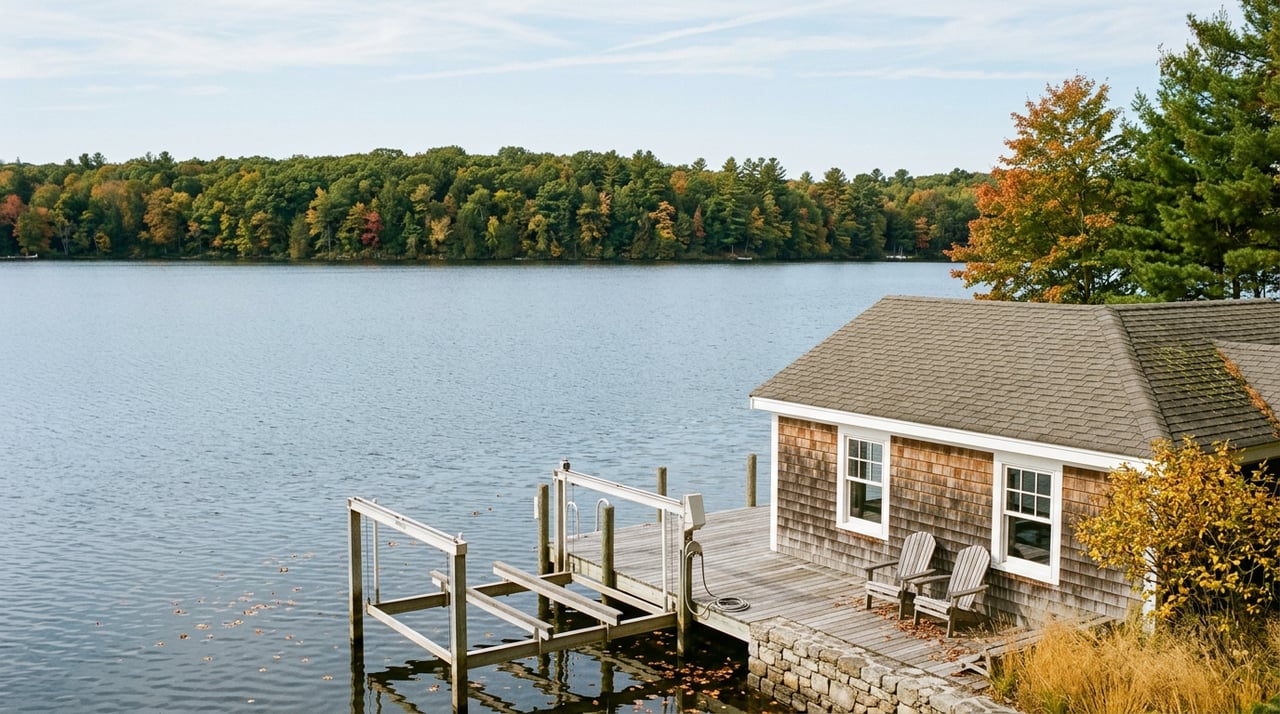
Gilford Town Beach is 1,800 feet of shorefront on Lake Winnipesaukee, open to town residents and taxpayers, with a concession stand, a swim raft, a basketball court, and the kind of parking lot that fills up fast on a July Saturday. In winter, it becomes something else entirely: one of the only points on this side of the lake where people can get a vehicle, a snowmobile, or a bob house onto the ice.
That dual identity is exactly what the Recreation Commission wanted to simplify. At a May 27 meeting, Recreation Department Chair Rick Nelson asked the selectboard to close the gate for the winter months outright. Nelson and Parks and Recreation Director Matt Mansur laid out a specific set of concerns: tree damage from vehicles cutting new paths across the property, wear on the sand, and the potential for environmental spills or hazards when trucks and snowmobiles have free rein of an unmarked lot. The truck through the ice wasn't the only argument, but it was the one everybody in town had already heard about, and it made the case for closure sound reasonable on its face.
If the story stopped there, this would be a piece about a beach closing. It isn't, because the selectboard didn't take that recommendation.
What the Selectboard Approved Instead
By June 10, the pushback had a name: Nate Sweeney, a Gilford resident who ice fishes regularly, showed up to say that closing the gate would cut off the access point his winter routine depends on. Eddy told him the Recreation Commission had suggested the closure, but the selectboard felt that would not be prudent, since a lot of residents use the beach to get onto the ice once it freezes, whether they're hauling a bob house, a snowmobile, or just themselves. Sweeney said a closure would have created real backlash from the ice fishing community, and he wasn't wrong that plenty of Gilford households would have felt that loss.
Sweeney also raised a smaller, more practical problem: even with the gate open, there had never been a designated place to park. This past winter, he said, he had to move a snowbank himself just to get his vehicle down to the water.
The ordinance the selectboard approved on June 24, drafted by Town Administrator Scott Dunn and passed by a 3-0 vote after a public hearing, answers both problems without closing anything. Here is what it actually changes, according to the town's amended Chapter 3 beach regulations:
- The gate stays open through the winter. The Recreation Commission's original request to close it was not adopted.
- A specific corridor will be plowed after snowfall and marked with fencing, so there's a defined lane down to the water instead of vehicles cutting their own paths across the property.
- Dropping off a bob house is explicitly permitted. When a resident asked at the hearing whether the new rules would still allow that, Eddy answered directly, as the Laconia Daily Sun reported: "Yes, it will. That's part of the intention."
- No part of the beach property may be used to remove a vehicle from the lake. In plain terms, if a truck goes through the ice again, the beach itself can't be the staging ground for pulling it out.
- The selectboard keeps the authority to revoke access at any time, and violations of the winter rules can carry fines or the removal of a vehicle or portable dwelling at the owner's expense.
Clerk Richard Grenier added that the fencing along the corridor is meant to make the boundary visible at a glance, not just legally defined on paper. Michael Eastman, a Gilford resident who also serves as a captain with New Hampshire Fish and Game, thanked the board for landing on a policy that works for everyone and said the department would do its due diligence to make it hold up in practice.
Read the specifics of section 3.11 and you'll notice what the town actually did here. It didn't solve the truck-through-the-ice problem by taking the beach away from the people who use it responsibly. It solved it by building a system, a marked corridor, visible fencing, a rule against using the property to retrieve a stuck vehicle, that makes the reckless version of winter access harder and the routine version easier at the same time.
A Different Kind of Access Question on the Same Shoreline
The same instinct shows up this year at Smith Cove, elsewhere on Gilford's Winnipesaukee shoreline, where the Lake Winnipesaukee Sailing Association runs its school out of the Dave Adams Memorial Sailing Center. LWSA has been teaching sailing on this cove since 1988, mostly to kids, and has put more than 2,500 young sailors through its programs since then. It's also the organizing body behind the main youth regatta in the Lakes Region, the Winnipesaukee Annual Regatta, and it fields a J/80 racing fleet recognized as Fleet One within that boat's North American class association.
This year, for the first time in the organization's nearly four-decade history, LWSA introduced a series of adult sailing classes exclusively for women. As the Laconia Daily Sun reported, the idea came from Theresa Martens, now in her second year as the association's director, who pitched it after talking with women in the Winnipesaukee Yacht Club at the end of last summer. Martens said the women wanted to keep their enthusiasm for the sport. The classes ran this season under 18-year-old head instructor Jasper Opel, out on Smith Cove, giving adult women a structured entry point into a sport that, at this lake, has mostly been passed down informally.
It's a different problem than a beach gate and a different institution entirely, but the shape of the fix is the same one the selectboard landed on: instead of leaving access to whoever already knew the informal rules, someone built a specific structure, a class series, a marked corridor, so more people could use the same water on workable terms.
What This Means If You Live Here
If you're a Gilford resident who ice fishes, hauls a bob house, or just likes having the option, the beach gate staying open is the headline. But the version of "open" you'll find this winter isn't the free-for-all it used to be. There's a marked lane to follow, fencing to respect, and a specific rule that the beach itself can't be used to pull a stuck vehicle out of the lake, which is worth remembering before conditions turn questionable. If you're weighing whether to buy a snowmobile trailer or plan a first ice-fishing season on Winnipesaukee, this is the framework you're now operating inside, not the informal version that led to a month-long recovery job last March.
And if you've been meaning to try sailing, or wanted your daughter or a friend to give it a try, Smith Cove now has a program built for exactly that.
Both stories point to the same thing about Gilford right now: the town's shoreline institutions are actively rewriting their own rules to fit how people actually use the lake, rather than letting old assumptions or one bad incident decide the outcome for everyone. That's the kind of detail that doesn't show up on a listing sheet, but it's part of what it actually means to live on this stretch of water year-round.
If you're thinking about what waterfront or near-lake living in Gilford looks like across all four seasons, not just the postcard months, Chip Hornbeek Realty can walk you through it. Contact Chip for a free Lake-Market consultation.
This article is general information, not legal, tax or financial advice. Consult a qualified professional about your situation.