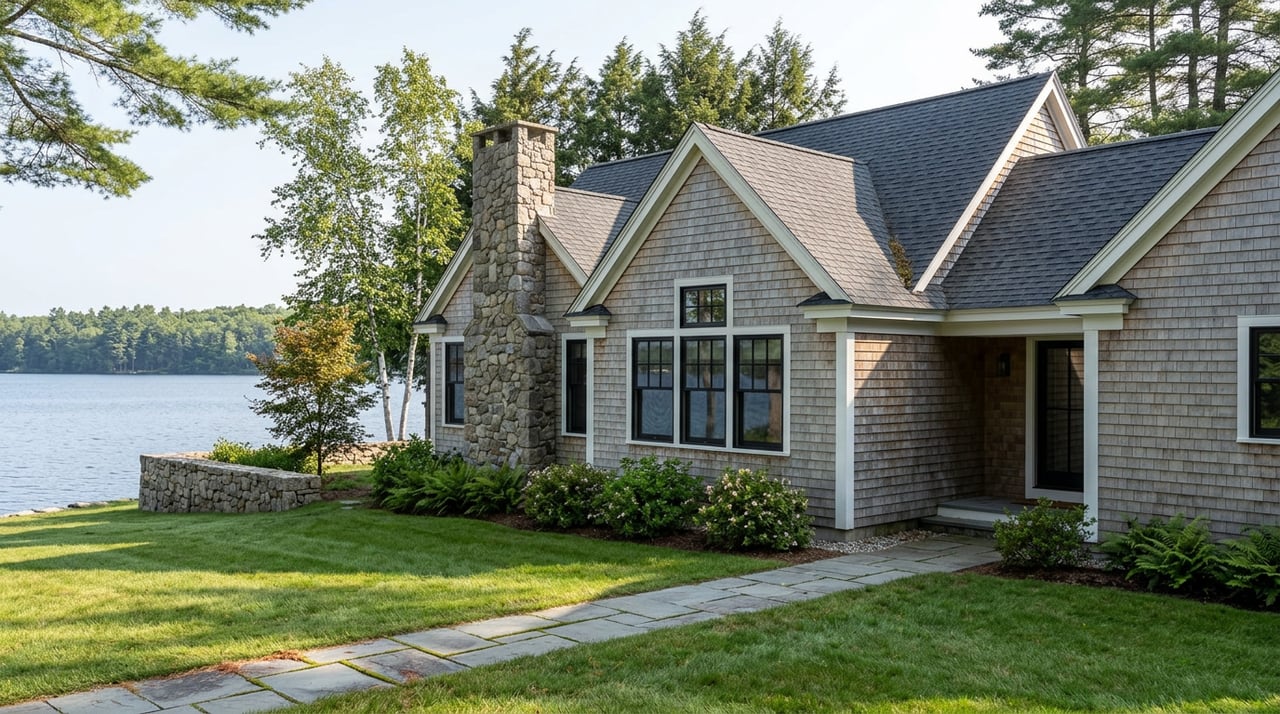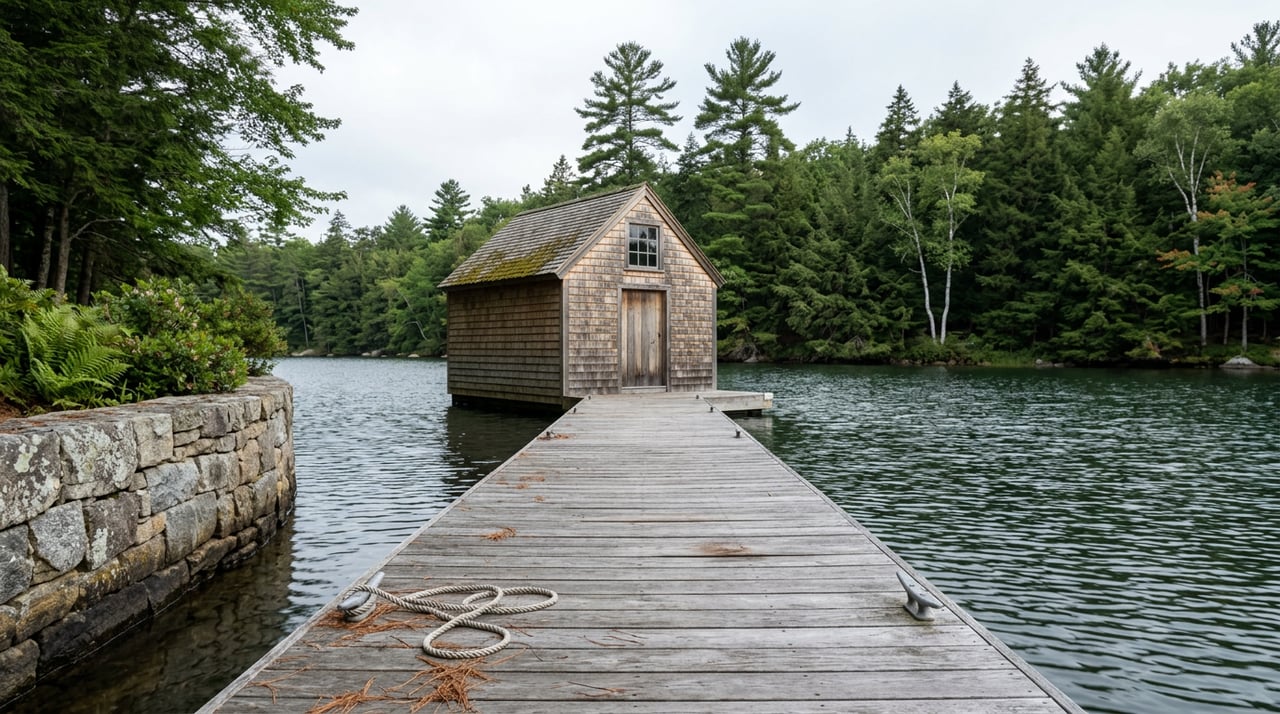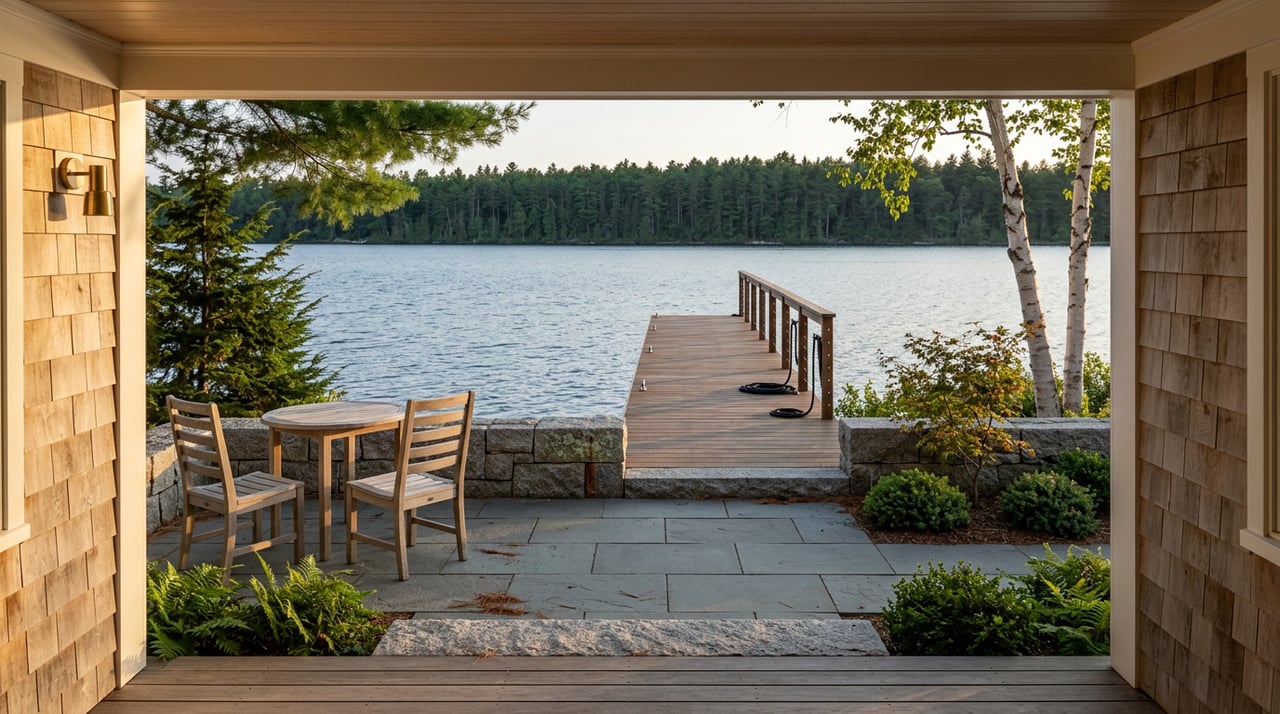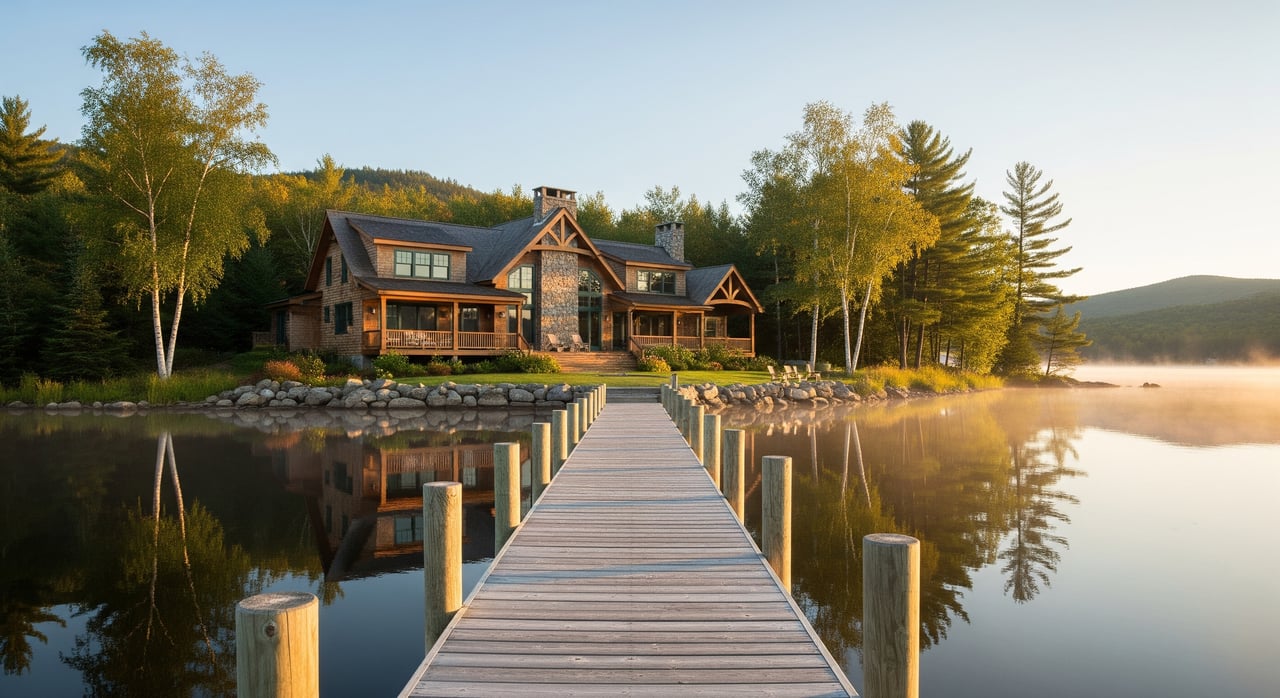
Thinking about a lake house near Gilford but unsure how to finance it? Second-home loans play by different rules than primary mortgages, and the details matter in the Lakes Region. You want clear steps, real numbers, and no surprises so you can focus on time on the water. In this guide, you’ll learn loan types, the 2024 conforming limit, jumbo requirements, what lenders expect, and practical tips for out-of-state buyers. Let’s dive in.
Second home or investment: why it matters
Lenders classify properties by how you plan to use them. A second home is for your personal use on weekends or during the season. An investment property is primarily for rental income.
If you plan to rent often, especially on short-term platforms, many lenders will reclassify the property as an investment. That shift usually increases the required down payment, reserves, and interest rate. Be clear about your intentions during the application to avoid delays or rework.
Conforming vs. jumbo in 03249
For 2024, the baseline single-family conforming loan limit is $766,550. New Hampshire is typically a standard-cost area, so most Belknap County loans follow that figure. Your loan becomes “jumbo” when the amount you finance is above the conforming limit.
Why it matters:
- At or below the conforming limit: Many lenders accept 10 to 20 percent down for a second home. You can expect slightly higher rates than a primary residence. Private mortgage insurance applies if your loan-to-value is above 80 percent.
- Above the conforming limit (jumbo): Expect 20 to 30 percent down or more, higher credit score targets, and larger cash reserves. Pricing is usually tighter and documentation more detailed.
What lenders look for on second homes
Credit score and pricing. Many lenders prefer a 700+ FICO for conforming second homes. Jumbo programs often look for 720 to 740+, and the best pricing typically starts near 740. Second-home loans are usually priced a bit higher than primary mortgages. Jumbo loans often cost more still.
Debt-to-income ratio. Lenders often cap total DTI around 43 to 45 percent for second homes, though some may allow higher with strong credit and reserves. They calculate DTI the same way as any mortgage.
Reserves. Second homes tend to require more money left after closing. Many lenders ask for 6 months of PITI in reserves. Jumbo programs can require 12 months or more, especially if you also have a primary mortgage.
Documentation. Be ready with W-2s, recent pay stubs, and bank statements to verify your down payment and reserves. Self-employed buyers should expect two years of tax returns. Many lenders allow gift funds on second homes with a proper gift letter and source verification, though some programs restrict gifts.
Occupancy and rentals. If you intend frequent short-term rentals, expect investment-property underwriting. That usually means a larger down payment and stronger reserves.
Real numbers for Gilford price bands
Below are clear examples to help you frame your budget. Actual terms vary by lender and profile, but these ranges match what buyers commonly see in the Lakes Region.
Entry to mid market: $300,000 to $600,000
Conforming conventional loans fit most purchases in this band. Many buyers put 20 percent down to avoid PMI. Lenders commonly want 6 months of PITI in reserves if you keep a primary mortgage.
- Example: $500,000 purchase
- 20 percent down = $100,000; loan = $400,000 (conforming)
- Expect standard income and asset verification
- PMI applies if down payment is under 20 percent
Near the limit: $600,000 to $900,000
This range spans conforming and jumbo. If your financed amount stays below $766,550, conventional rules apply. If you cross that limit, you are in jumbo territory.
- Example: $800,000 purchase
- Scenario 1, 20 percent down: loan = $640,000 (conforming)
- Scenario 2, 10 percent down: loan = $720,000 (jumbo)
- Jumbo loans often require 20 to 30 percent down and larger reserves
High-end lakefront: above $900,000
Most of these purchases are jumbo. Expect higher scrutiny on appraisals due to unique features and fewer comparable sales. Strong credit and liquidity help.
- Example: $1,200,000 purchase
- 25 percent down = $300,000; loan = $900,000 (jumbo)
- Expect higher rates than conforming and 12+ months of reserves possible
Loan options that work here
Conforming conventional loans. Best for second homes at or below the conforming limit. Many lenders accept 10 to 20 percent down, with 20 percent avoiding PMI.
Jumbo loans. Common for waterfront and larger lake-view homes. Expect tighter credit standards, 20 to 30 percent down, and larger reserves.
Portfolio and alternative loans. Some banks keep loans in-house and can be more flexible on income and occupancy. Options like bank-statement or asset-based programs can help self-employed buyers or those with strong assets but lower tax-reported income.
HELOC or cash-out on your primary. If you have strong equity in your current home, tapping it can fund a down payment or even the full purchase. This can be simpler than a new first mortgage on the lake house, but it reduces liquidity on your primary and adds another payment.
Bridge and construction loans. Useful if you want to buy before selling, or if you plan to renovate a Lakes Region property. Expect detailed plans and budgets for construction financing.
Short-term rental loans. If your plan relies on frequent vacation rentals, many lenders will underwrite as an investment property. That often means a higher down payment and stronger reserves, and some lenders consider documented rental income in the analysis.
Programs not used for second homes
- FHA loans: Generally limited to primary residences.
- USDA loans: Restricted to qualifying rural primary residences.
- VA loans: Intended for primary occupancy in most cases.
Appraisals, insurance, and lakefront risk
Unique lake homes can be tricky to appraise. Comparable sales may be limited, so values can be more conservative and timing can stretch if a second appraisal is needed. Give yourself room in your timeline.
Insurance for waterfront property can cost more. Lenders require hazard insurance and may ask for wind or water endorsements. If a property sits in a FEMA flood zone, flood insurance will be required. Even homes near the water that are not mapped can warrant extra coverage. Talk with insurance brokers early so you understand premiums and coverage.
Out-of-state buyer checklist for 03249
- Confirm local permits and short-term rental rules. Towns in the Lakes Region can have specific zoning, registration, and occupancy tax requirements. Check with the town planning and tax offices.
- Get insurance quotes early. Lakefront homes may need additional coverages, which affect your monthly budget and lender approval.
- Plan for property management. Budget for winterization, seasonal maintenance, and vendor access if you are not nearby. Lenders sometimes ask for a property management plan when you live out of state.
- Prepare for closing logistics. Mail-away closings, power of attorney, or travel coordination are common. Appraisal timelines can be longer for unique homes, and extra inspections for well, septic, or waterfront systems may be requested.
- Organize proof of funds and liquidity. Be ready to verify bank and investment statements. Gift funds require a gift letter and documentation of the source.
- Consider taxes. New Hampshire has no broad-based income tax, but property taxes and occupancy taxes may apply. If you plan to rent, consult a tax professional.
Start smart with your lender
Getting numbers tailored to you makes all the difference. For your first lender conversation, bring:
- Recent pay stubs and two months of bank statements
- W-2s, and if self-employed, two years of tax returns
- Documentation for other mortgages or housing payments
- Proof of funds for your down payment and reserves
Want numbers for your situation? Schedule a consultation with a mortgage professional to quote options for your price range, credit profile, and intended use.
Lender terms, translated
- LTV (Loan-to-Value): Loan amount divided by purchase price. Lower LTV means less risk to the lender.
- CLTV (Combined LTV): Total of all loans on the property divided by its value, used when you have a second mortgage or HELOC.
- DTI (Debt-to-Income): Percentage of your monthly income that goes to debt payments, including your mortgage.
- Reserves: Liquid money left after closing, often expressed as months of PITI.
- PITI: Principal, Interest, Taxes, and Insurance. Your total monthly housing cost.
- PMI (Private Mortgage Insurance): Required on many conventional loans with less than 20 percent down. It protects the lender.
- Conforming vs. Jumbo: Conforming loans meet Fannie Mae and Freddie Mac limits. Jumbo loans exceed those limits and have stricter rules.
- Seasoning: How long money or a loan must be held before certain actions, like refinancing, are allowed. Also used for how long assets have been in your account.
- Occupancy fraud: Misstating how you plan to use the property. Lenders verify occupancy and misrepresentation can lead to denial or legal issues.
- DSCR (Debt-service coverage ratio): Used by some lenders for rental properties to see if income covers expenses.
Buying in Gilford should feel exciting, not overwhelming. With the right financing plan, you can protect your budget and enjoy the Lakes Region with confidence. If you want a sounding board on neighborhoods, renovation potential, docks, or seasonal systems while you sort your loan, reach out. Contact Chip Hornbeek for local, practical guidance tailored to 03249.
FAQs
What is the 2024 conforming loan limit for second homes in Belknap County?
- For 2024, the baseline single-family conforming loan limit is $766,550, which New Hampshire typically follows as a standard-cost area.
Can I use short-term rentals and still qualify for a second-home loan in Gilford?
- If you plan frequent short-term rentals, many lenders will treat the home as an investment property, which usually requires a higher down payment and more reserves.
What credit score do I need for a jumbo second-home mortgage in the Lakes Region?
- Jumbo programs commonly prefer 720 to 740+ credit scores, with the best pricing often starting near 740.
How much should I expect to hold in reserves for a second home in 03249?
- Many lenders want at least 6 months of PITI in reserves for second homes, and jumbo loans can require 12 months or more.
Is using a HELOC on my primary residence a good way to fund a lake house down payment?
- It can be a simple path if you have strong equity, but it adds another payment and reduces liquidity on your primary home, so weigh the tradeoffs.
How long does it take to close on a second home in the Lakes Region if I live out of state?
- Timelines vary, but unique properties can need longer appraisal windows and extra inspections, so plan for additional time and consider mail-away closing options.