Thinking about buying an older home in Gilford because you see charm, location, and renovation upside? You are not alone, especially in a Lakes Region market where older houses, cottages, and near-water properties can offer real opportunity. The key is knowing how to look past the surface so you can judge condition, permits, timing, and total cost before you commit. Let’s dive in.
Why older Gilford homes appeal
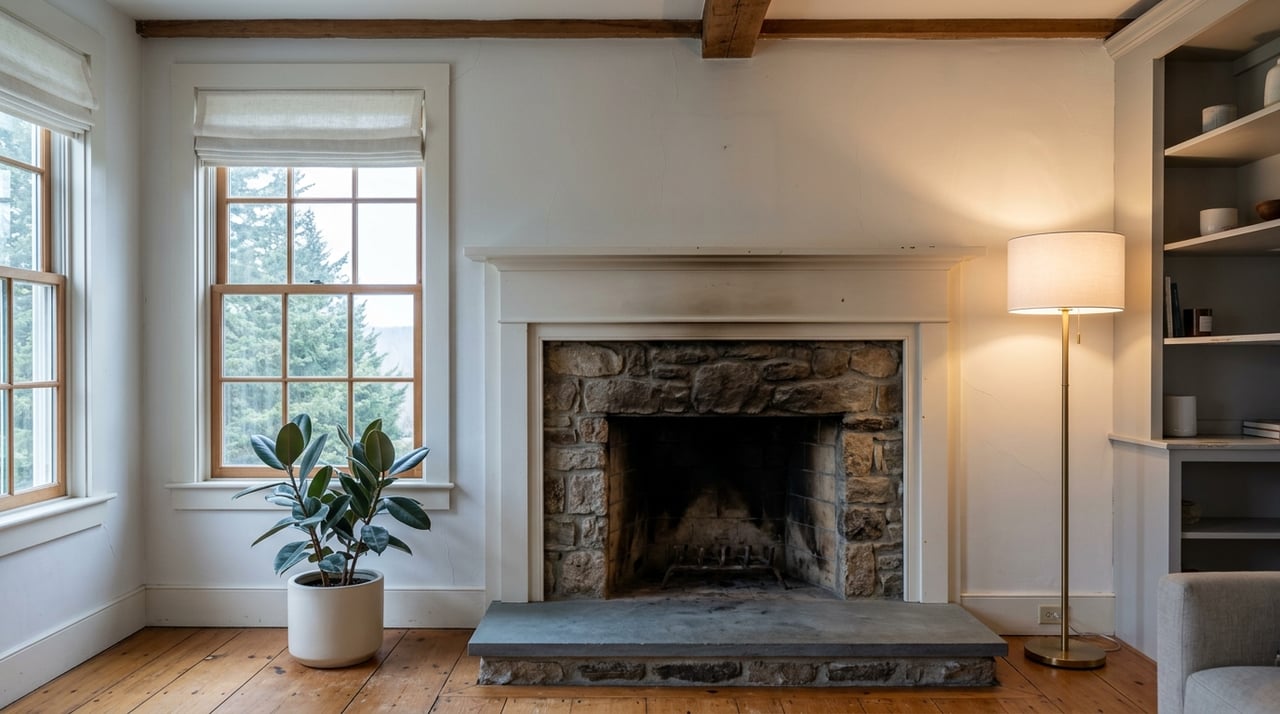
Older homes in Gilford often attract buyers for a few simple reasons. You may find a better setting, more character, or a layout and lot that would be expensive to recreate today. In some cases, an older property can also give you room to build value through thoughtful updates.
That said, renovation potential is only helpful if the numbers and logistics make sense. On an older home, the real question is not just what you want to change. It is whether the home’s condition, local requirements, and timeline fit your budget and plans.
Gilford permit rules matter early
In Gilford, permits are not limited to brand-new construction. The town requires permits for additions or structural changes, while simple remodeling is exempt only if it does not change the building use and does not alter exterior walls or interior structural bearing walls.
That distinction matters when you are touring an older home and imagining updates. Knocking down a bearing wall, expanding a footprint, or making structural changes can trigger permit requirements, review, and additional planning.
There is also a timing issue to keep in mind. Gilford notes that permits and other required approvals should be in place before work begins, and a permit becomes invalid after six months if construction has not started.
For buyers, this means renovation planning should start before closing if possible. Contractor scheduling, plans, and local approvals can affect not only your budget, but also how quickly you can begin work.
State code can shape the project
In New Hampshire, alterations, renovations, rehabilitation, repair, removal, and demolition are governed by the state building code. Another important detail is that the code in effect when the permit application is received remains in effect for the duration of that permitted work.
That can be helpful when you are organizing a renovation plan. If you expect major work, it is smart to understand what will require a permit and when your application may need to be filed.
For an older home purchase, this is one more reason to avoid making casual assumptions. A project that sounds simple at first may involve code compliance work once walls are opened or structural changes are proposed.
Waterfront and near-water homes need extra review
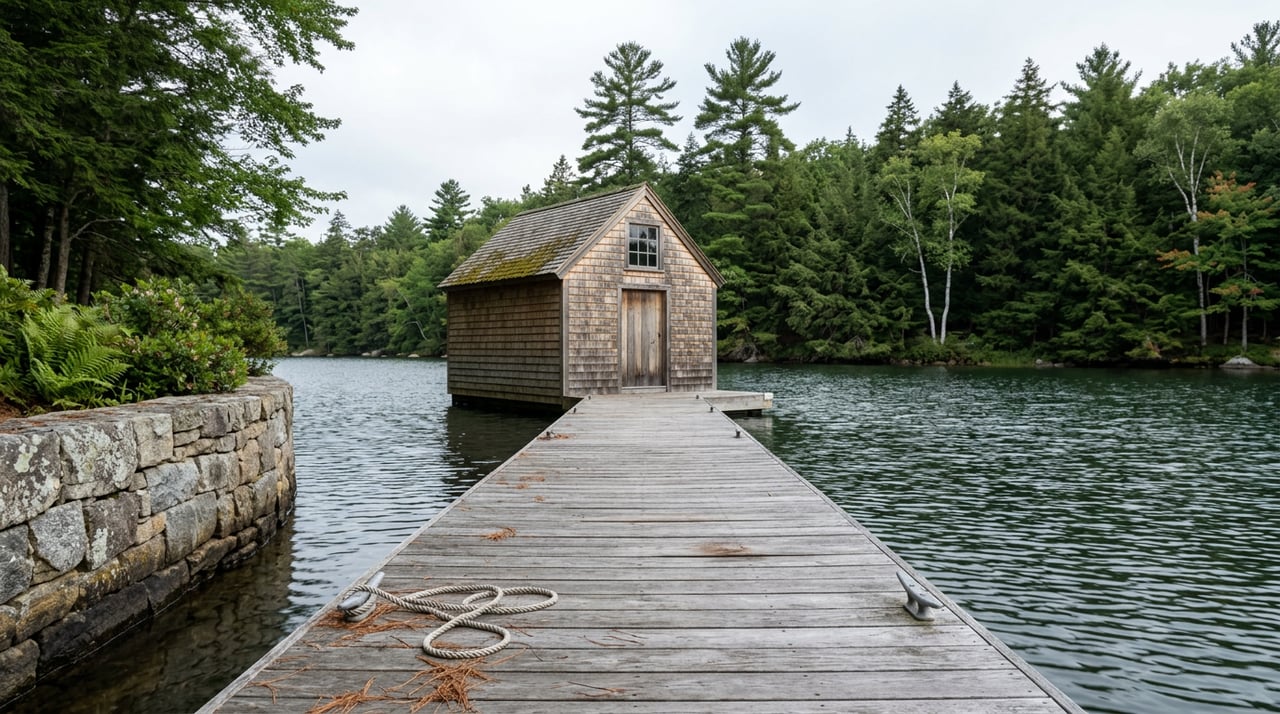
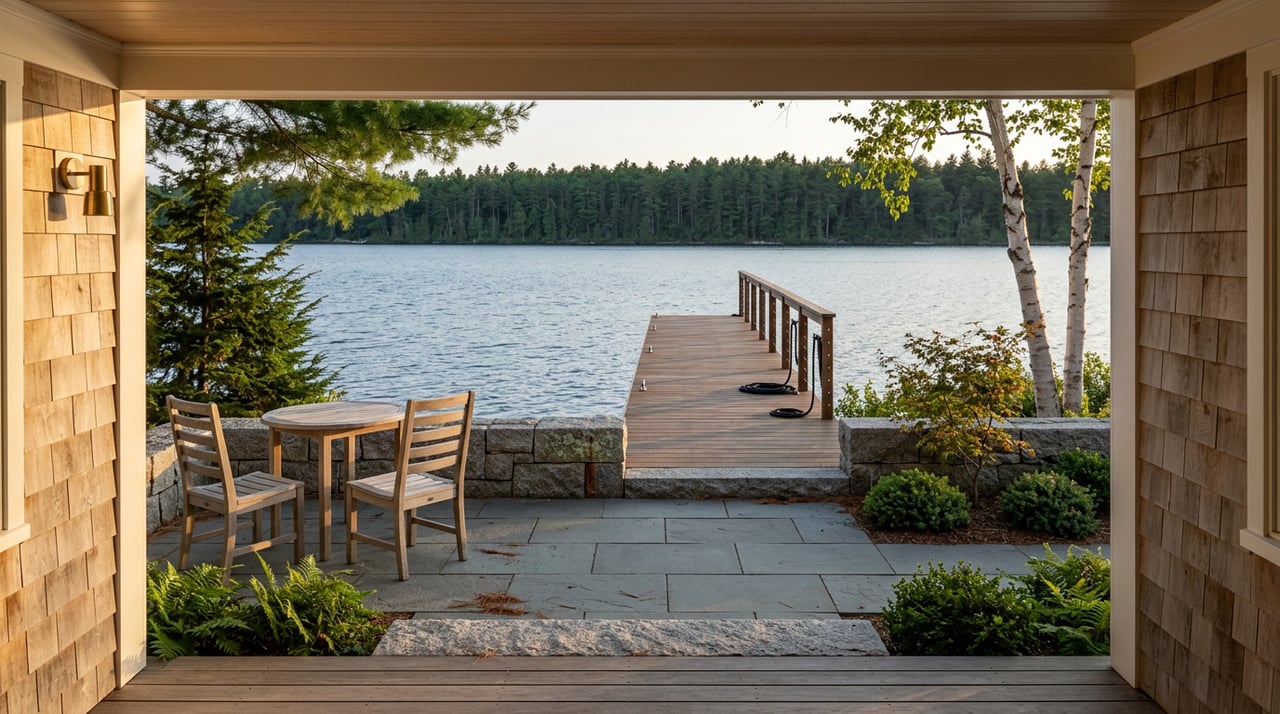
In Gilford, many buyers are drawn to homes near Lake Winnipesaukee or other protected waterbodies. These properties can be especially appealing, but they can also come with another layer of review.
New Hampshire shoreland rules may apply within 250 feet of the reference line. If a property in that area has a seasonal or year-round structure and a septic system, the New Hampshire Department of Environmental Services says the buyer must have a septic system evaluation performed by a licensed evaluator.
This is a major point for buyers considering older lake-area homes or cottages. If the home is waterfront or near the water, you will want to confirm shoreland status and septic location early, not after you are emotionally committed to the property.
Seller disclosures are useful, but not enough
New Hampshire requires sellers of one-to-four-family homes to disclose private water, sewage disposal, insulation, and federally designated flood-hazard-zone information. That gives you a valuable starting point when reviewing an older home.
Still, a disclosure is not a substitute for due diligence. It helps you spot issues and ask better questions, but it does not tell you the full cost of repairs, hidden conditions, or future renovation hurdles.
This is where careful document review can save you time and money. On an older Gilford home, it is worth looking closely at water and septic details, flood-zone information, and any signs that past work may have involved structural changes.
Common issues in older homes
Older houses often need upgrades that are easy to underestimate. Cosmetic finishes may grab your attention first, but systems and building performance usually matter more.
The U.S. Department of Energy notes that older homes were often not built with modern insulation technology. Leaky windows, doors, ducts, and older heating or cooling equipment can waste energy and raise monthly costs.
That means your renovation budget should go beyond paint colors and countertops. If the home needs insulation, air sealing, window work, or mechanical updates, those items can affect comfort and long-term ownership costs in a big way.
Lead paint concerns
If the home was built before 1978, lead-based paint should be part of your planning. The EPA says most pre-1978 housing may contain lead-based paint, and renovation can create dangerous lead dust.
For buyers, that means you should not treat sanding, demolition, or wall removal as simple DIY work until you know more. EPA guidance says to either assume lead may be present or hire a certified professional to test.
Asbestos concerns
Older homes can also contain asbestos in materials such as floor tile, ceiling tile, or old pipe wrap. These materials are not always obvious during a showing.
The EPA recommends sampling suspect materials with a properly trained and accredited asbestos professional before disturbing them during remodeling. If you are buying for renovation potential, this is an important part of planning safe and realistic project costs.
Radon and air safety
Even if a home looks clean and well maintained, radon still belongs on your checklist. The EPA says all homes should be tested for radon.
That simple step can help you avoid surprises after closing. It is especially useful in older homes where other updates may already be under consideration.
Well and septic reality checks
If the home uses a private well or septic system, appearances can be misleading. The New Hampshire Department of Environmental Services recommends that prospective homebuyers test the water in a home with a private well before purchase.
This is especially important for older homes where systems may have aged over time or where records are incomplete. A clear testing and evaluation plan helps you understand whether the property’s renovation potential includes hidden infrastructure costs.
What a home inspection can and cannot do
New Hampshire home inspectors are licensed, and the standards of practice require a visual examination of readily accessible systems and components. That framework covers major areas such as heating, cooling, plumbing, electrical, structural components, foundation, roof covering, exterior and interior components, and site aspects.
A general home inspection is a strong first step, but it is still a screening tool. Because the inspection is visual and limited to accessible components, it cannot guarantee that no hidden issues exist behind walls, under floors, or inside closed systems.
That is why older homes often call for specialist follow-up. Depending on the property, you may need added evaluation for electrical, septic, well water, radon, lead, asbestos, or shoreland-related issues.
A smart due diligence checklist
When you are serious about an older Gilford home, it helps to follow a clear process. A practical workflow can keep emotion from outrunning facts.
Consider this checklist:
- Confirm the year built and think through likely age-related risks
- Review seller disclosures for water, sewage, insulation, and flood-hazard information
- Verify whether the property is near protected shoreland
- Determine whether a septic evaluation is required before transfer
- Schedule a general home inspection
- Order specialty tests or specialist reviews when the home’s age or condition calls for them
- Price likely repairs and upgrades before final commitment
- Add a contingency reserve to the renovation budget
This process gives you a much better picture of what you are buying. It also helps you decide whether to move forward as is, renegotiate, or step away.
Budget for more than the visible repairs
One of the biggest mistakes buyers make with older homes is underestimating the gap between visible work and actual cost. Fresh paint and older cabinets are easy to see. Hidden framing, moisture, wiring, or plumbing issues are not.
Because older homes can reveal problems once work begins, contingency money matters. Renovation guidance commonly uses a contingency reserve benchmark of at least 10 percent of renovation cost, rising to 15 percent when utilities are not operable.
You should also budget for more than materials and labor. Renovation costs can include permits, plans and specifications, inspections, and other related expenses.
Timing can affect the whole deal
Renovation potential is not just about money. Timing matters, especially in a market where you may be coordinating inspections, permits, contractors, and seasonal use plans.
In Gilford, the building inspector may ask for surveyor, architect, or engineer documentation covering property lines, building size and location, and setbacks. That means project planning can start well before the first day of construction.
If you are hoping to enjoy the home during a certain season or complete work soon after closing, these details should be part of your decision. A good opportunity on paper can feel very different if approvals and contractor availability slow the timeline.
How to judge real renovation potential
A good older home with renovation potential is not simply the cheapest one in the best location. It is the property where condition, local rules, and your budget line up in a manageable way.
In practical terms, the best opportunities often have clear strengths you cannot easily replace, such as lot position, water proximity, layout potential, or lasting character. At the same time, the needed work should be understandable enough that you can price it with reasonable confidence.
That is where local knowledge and renovation experience make a real difference. When you can look at an older Gilford home through both a market lens and a building lens, you are in a stronger position to judge whether the upside is real.
If you are weighing an older Gilford home and want practical guidance on condition, renovation upside, and lake-area considerations, reach out to Chip Hornbeek for a free Lake-Market consultation.
FAQs
What permits might an older home renovation need in Gilford?
- Gilford requires permits for additions or structural changes, while simple remodeling is exempt only if it does not change the building use and does not alter exterior walls or interior structural bearing walls.
What should you check before buying a waterfront or near-water Gilford home?
- You should verify whether shoreland rules apply, whether the septic system is within the protected area, and whether a septic evaluation is required before transfer.
What does a New Hampshire home inspection cover on an older house?
- A licensed home inspector performs a visual review of readily accessible systems and components, including structure, roof, heating, cooling, plumbing, electrical, exterior, interior, foundation, and site aspects.
What extra tests can matter when buying an older Gilford home?
- Depending on the property, buyers often consider specialty testing or reviews for radon, private well water, septic systems, lead-based paint, asbestos, and certain electrical or shoreland-related concerns.
What should you budget for when renovating an older home in Gilford?
- In addition to repair and upgrade costs, budget for permits, plans, inspections, and a contingency reserve because older homes can reveal hidden issues after work begins.